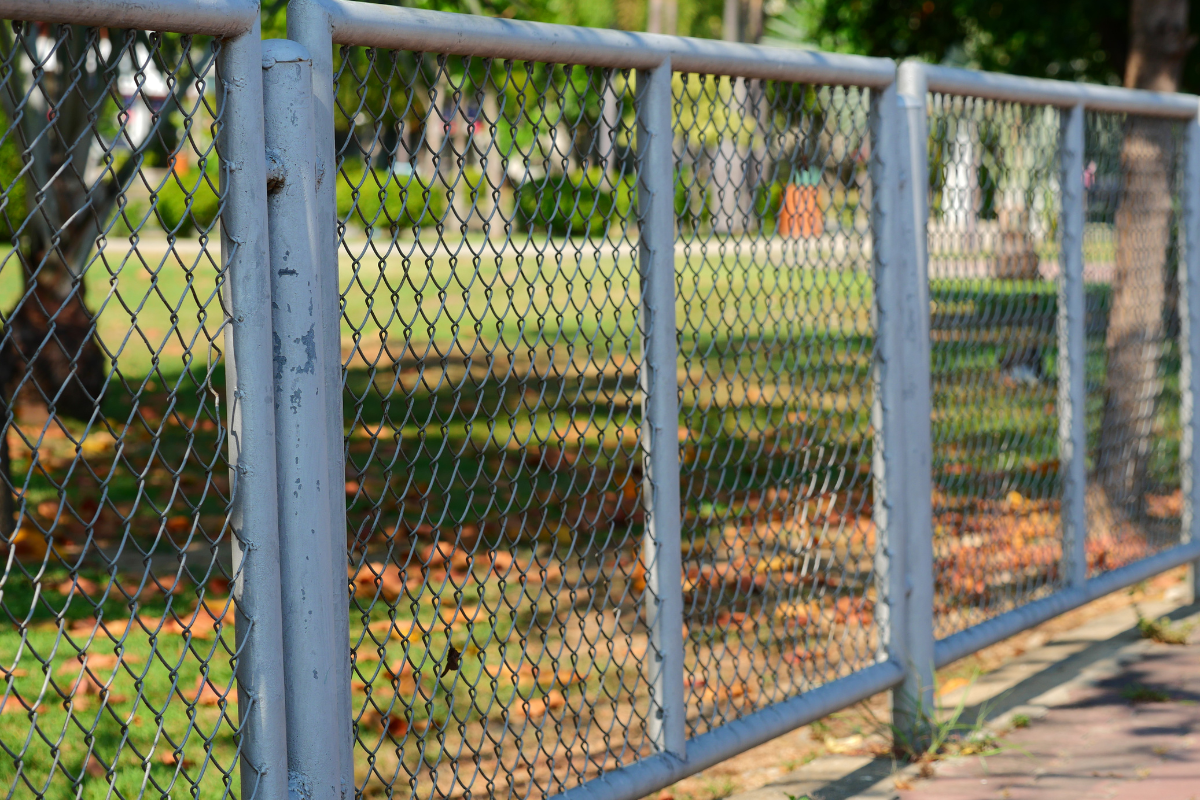
When a chain link fence fails at 9 p.m., you feel it immediately. A sagging top rail lets a dog slip out. A mangled section invites trespassers onto a jobsite. High winds twist a gate frame just enough that it will not latch, leaving a warehouse exposed overnight. Fences are guardians of the ordinary, and when they falter after business hours, the risk shifts from inconvenient to urgent.
I have taken midwinter calls with snow blowing sideways and summer evening calls with ball games still echoing from down the block. The need is the same each time: make the property secure, buy time until a full repair or replacement, and do it safely in low light with minimal disruption. After-hours chain link fence repair is its own craft. It requires fast judgment, the right kit on the truck, and a practical understanding of how chain link systems fail under stress.
Why chain link fails at the worst possible time
Chain link takes abuse quietly. It flexes with wind loads, shrugs off kids climbing it, and survives years of weed trimmer nicks. Failure usually shows up in three places: the chain fabric, the frame, and the anchors in the ground. After storms or late-day accidents, I see a recurring pattern.
A vehicle clip at low speed often bends a line post and rips the chain fabric along one or two ties. The fence looks mostly intact, but the tension has gone slack, which makes the gap look bigger at night. Wind events find the weak points that daytime hides. If the tie wires along the top rail were spaced too far apart, gusts balloon the fabric and shear the corner ties. Snow creep and drifting soil can heave shallow-set posts until the concrete collars crack, then the top rail sags. Gates take a different beating. A delivery truck nudges the latch post, or repeated swings wear hinges until the leaf bolts loosen, and suddenly the gate bows or drags. All of these create a breach that matters more after hours, when you cannot watch the area.
The construction of chain link fencing is straightforward, but the small details matter: corner posts typically set 30 inches or deeper with properly sized footings, terminal post caps that lock tension bands, tension bars woven into the fabric at ends and gates, and tie spacing that keeps the mesh tight to the rails. Shortcuts in any of these add up to an after-hours call later.
What “secure tonight, fix right tomorrow” looks like
Night repair favors stabilization over perfection. The goal is to restore function and deterrence, not produce showroom alignment. I keep a mental checklist: stop the opening from growing, prevent snag hazards, re-establish a positive latch or closure, and remove obvious temptations. For example, if a 12-foot panel has a vehicle crease and a pulled tie line, I would stitch the fabric back to the top rail with fresh ties at 8 to 10 inch spacing, install two temporary tension bands on the nearest line post, and add a short splice rail to bridge the bend. If a gate is out of square, I will reset the hinge bolts, add temporary shims at the latch receiver, and brace the frame with a clamp-on angle until morning.
Temporary does not mean flimsy. The best after-hours fixes use the same materials you would trust in daylight, just applied with speed in mind. Fabric ties should be 9-gauge aluminum or galvanized steel, not zip ties. Rail sleeves should be galvanized with set screws tight on both sides of the break. Tension wire should be 7-gauge minimum, hog-ringed to the bottom selvedge every 18 to 24 inches. If privacy slats are creating sail load, remove the broken section quickly and stage it to reduce wind pressure. You are buying stability, and nothing stabilizes like appropriate steel, proper spacing, and clean wraps.
The difference a prepared truck makes
An after-hours chain link fence contractor who shows up with only pliers and optimism will lose time and leave you exposed. The right kit shortens the visit and cuts repeat trips. On my night rigs, I keep short runs of 9-gauge fabric in common heights, a selection of top rail and bottom tension wire, internal splice sleeves, line and terminal post caps, brace bands, tension bands in multiple widths, tension bars cut to gate width, heavy and light gauge ties, hinge sets, latch hardware, and self-tapping screws. In the tool box: bolt cutters, fencing pliers, 24-inch and 36-inch pipe wrenches, a cordless band saw, right-angle grinder with flap discs, headlamps with warm and cool settings, magnetic work lights, a post level, and a two-person come-along or ratchet strap rated for at least 1,000 pounds.
Lighting sounds like a trivial detail until you are working in a narrow easement behind a retail strip with a single dim alley light. Two adjustable LED tripods can turn a dicey scenario into a controlled workspace. I set lights to avoid blinding passing drivers and residents, angle them low, and keep shadows off my cutting hand. Good light, plus gloves that still let you feel small tie wire, prevents the sort of night injuries that turn a one-hour job into a hospital visit.
Triage at the curb
Not every after-hours call needs someone to roll right now. A reputable chain link fence company should walk you through basic triage by phone before dispatch. I ask for three things: current risk, access, and lighting. Is there an animal containment issue or a public safety risk? Can someone meet us, or is it a lockbox situation? Are there exterior lights or should we bring extra towers? I also ask for two photos if possible: a straight-on view of the damaged section and a close-up of connections at the nearest post. The photos tell me whether a top rail has popped out of a line post, whether the terminal post bands are intact, and how the selvedge is woven. That determines whether we bring more fabric, more rail, or just hardware.
If the breach is small and the property owner can do a stop-gap safely, I talk them through it. Use a pair of pliers to twist the cut ends inward and prevent snags. If you have a length of solid wire, weave it through the selvedge to stitch the tear, then wrap it around the top rail twice at each picket interval. If the gate will not latch, tie the frame loosely to the latch post with rope at mid-height to signal a barrier. These little actions reduce liability until we arrive. I say loosely for a reason. You never want to lash a gate so tight that a person in distress cannot open it from the secure side.
Common after-hours failures and practical fixes
The pattern repeats enough that certain fixes live in muscle memory. Three examples stand out from the last year.
A distribution warehouse took a rear-corner hit from a box truck. The chain link fabric tore away from the terminal post at the corner. The post itself stayed true, which is a gift at 11 p.m. We wove in a new tension bar the full height, added three new tension bands, and replaced the crushed top rail with a splice sleeve and 6-foot section. The bottom tension wire had stretched, so we cut a new segment and hog-ringed it every 18 inches. That stabilized the corner in under 90 minutes, and the warehouse could lock the yard again. We returned the next afternoon to replace the spliced rail with a full-length stick and re-tension the whole panel.
A school’s perimeter gate sagged during a wind advisory. The upper hinge bolt had backed off over years of vibration and fall sports traffic. At night the gate dragged on the asphalt and the latch missed by half an inch. The solution was basic: reset hinge alignment, extract the worn hinge leaf, and install a larger, greaseable hinge set with keeper nuts. While there, we squared the frame with a clamp-on corner brace and re-tied the first two diamonds of fabric that had loosened. The overnight fix let the campus police secure the courtyard, and the permanent solution was simply adding a second brace rail and replacing aged slats that acted like a windsail.
A retail yard had a 30-foot run bow out during a storm because multiple ties along the top rail were missing. This is a classic maintenance miss. At night, replacing ties every 12 inches is simple, but we also found the top rail had bends that encouraged the bow. Two internal sleeves and an extra line post set at 8 feet spread out the load. We set the new post quickly with a dry-pack method appropriate for sandy soil, which is stable enough for a temporary night fix when you sleeve over the post to avoid load until the concrete cures.
The trade-offs you will make at night
You cannot solve everything at midnight. Choosing well matters. Temporary splices are the most obvious compromise. They introduce weak points if left in long term, yet they are invaluable for night work because they restore continuity without excavating posts. Privacy slats are another trade-off. They give you screening, but in storms they become wing sails. During an after-hours visit, pulling a dozen slats around a split and stacking them neatly can keep the fabric from tearing further. It is not glamorous, but it prevents a bigger invoice later.
Then there is the matter of aesthetics. It is better to leave a clearly marked, visibly patched area that functions well than a subtle, half-done repair that will fail again by morning. I flag or tape patched sections when they are near pathways, not to advertise the issue, but to warn anyone moving equipment early. That level of honesty builds more trust than trying to make a night fix look like a showpiece.
Costs, response times, and what influences both
After-hours chain link fencing services typically carry a callout fee that covers mobilization, plus time and materials. The range varies by market, but a realistic picture would be a base fee in the low hundreds, then hourly rates for a two-person crew. Hardware, fabric, and rail add proportionally. What drives cost is not just the length of damage, but complexity. A straight panel with torn ties is cheap to stabilize. A bent terminal post set in 3,000 PSI concrete that sits behind landscaping will cost more to even approach at night.
Response time depends on season and storm patterns. During fire season or following a major wind event, phones light up. A good chain link fence company triages calls and will be honest about timelines. I always prefer to give a time window, then send a quick text when en route with a truck number and crew names. If a company promises a 30-minute response across town on a Friday evening with no traffic, take that with a grain of salt. The best predictor of a reliable after-hours response is whether that contractor routinely maintains commercial properties in your area. Those relationships keep a crew ready and a truck stocked.
Safety at night is as much about restraint as gear
It is tempting to attack a bent post right away. Night work rewards patience. I run a quick hazard scan: live electrical nearby, especially around gate operators, sprinkler heads and valve boxes, dogs or wildlife, and vehicles that might return. If an electric gate is involved, I lock out power at the breaker before touching limit arms, chain, or sprockets. I also cone or tape off a working zone and position the truck as a barricade if the site is near a travel lane. A headlamp is handy but can reduce peripheral vision. I prefer a chest light paired with tripod lights to get shadow-free illumination. And every person on site wears cut-resistant gloves that still let you twist ties.
Cold weather adds a twist. Galvanized steel stiffens, ties snap if over-torqued, and hands numb quickly. I warm tie wire in my jacket before twisting so it bends smoothly instead of breaking at the first twist. Hot weather changes the rhythm too. You hydrate more, you rest more, and you watch footing on crumbly asphalt that softens after sunset.
Calling the right chain link fence contractor
Not all fence contractors handle emergency work. If you run a facility that cannot tolerate an open perimeter, vet providers for after-hours capability ahead of time. Ask pointed questions: Do you stock common rail sizes and fabric heights on your night truck? Do you carry both external and internal splice sleeves? How do you handle gate operators after hours? Do you have a two-person crew at night for safety, or do you send a single tech? The answers tell you whether they really provide chain link fencing services after dark or just take messages.
Experience also shows in how a contractor documents the visit. Clear photos before and after, a brief note on what was stabilized versus what needs daytime correction, and itemized materials build trust. I leave a flagged note on site if no one is present, and I send a summary email with what to expect next. That is the cadence you want from a chain link fence company you can depend on when the lights are off.
When a temporary fix is not enough
Certain damage is not suitable for night-only stabilization. If a terminal post is snapped below grade, if the fence line buckled due to soil failure, or if the breach involves a shared boundary with legal sensitivity, you need more. I have recommended on several occasions that a client bring in a temporary panel fence for the night and schedule a morning excavation crew. It costs more in mobilization, but this approach avoids unsafe excavation at night and reduces the chance of nicking utilities. Another edge case is high-security mesh with barbed wire or razor ribbon. Handling those safely in the dark requires extra PPE and often a larger crew. In those cases, the right answer is to block access with vehicles, deploy temporary lighting, and wait for first light to do the actual re-tensioning and barb arm work.
How property owners can reduce after-hours calls
Preventive maintenance sounds boring, but it is cheaper than midnight visits. Walk the fence line twice a year. Look for missing ties along top rails, rusted or elongated bolt holes on hinges and latch brackets, cracked concrete collars at posts, and creeping soil that exposes footings. Addressing these in daylight eliminates many failure modes. Keep vegetation trimmed 6 inches off the fence line so fabric does not trap moisture or get pried out by vines. If you have privacy slats, consider wind relief cuts or alternate slat patterns in gusty corridors. For large gates, add a cane bolt or center stop to take the load off hinges in wind events. And once a year, put a wrench on your hinge and latch nuts. A quarter turn today saves an after-hours call tomorrow.
If you plan chain link fence installation for a new site, design choices affect long-term resilience. Spec line post spacing at 8 feet instead of 10 for high-wind areas. Use heavier gauge top rail on runs with privacy slats. Opt for deeper footings at corners and gate posts, and use proper bracing from corner posts back into the run with tension wire to share the load. These choices add marginal cost but pay back at 2 a.m. when the fence still stands.
A note on materials and compatibility
Chain link comes in different gauges and coatings. Night repairs often involve marrying new hardware to existing materials. Mixing aluminized steel fabric with galvanized fittings is usually fine, but you should avoid dissimilar metal contact that invites accelerated corrosion in coastal environments. If the existing fence uses black or green vinyl-coated fabric, carry matching coated ties and sleeves when possible, since bare galvanized ties on vinyl look sloppy and can nick the coating. For posts and rails, understand that 1 3/8-inch is a common top rail size, but 1 5/8-inch appears often on commercial runs. A prepared chain link fence contractor will measure and carry both.
Fasteners matter too. Self-tapping screws can be useful for temporary bracket fixes, but they are not a substitute for proper banding on terminal posts. Tension bars should match the fabric height and weave cleanly into https://jaidenlgge130.trexgame.net/precision-measurements-for-flawless-chain-link-fence-installation the end diamond, not jam halfway. The finesse here seems minor, but the integrity of a night repair lives in these details.
Working around people and pets
Residential after-hours calls are often about animals. A panicked owner wants a gap closed fast. I always start by asking about the pet’s behavior. A 60-pound husky that pushes hard needs a different approach than an elderly terrier. I have used temporary plywood leaned inside the fence line, constrained by rope and sandbags, as a quick barrier while we re-tie fabric on the outside. In multi-family buildings, it helps to put a note at the nearest entry that work is in progress and the area is unsafe for children. At commercial sites, coordinate with security to block pedestrian cut-throughs. Night work brings curious onlookers. Clear communication and visible boundaries keep everyone safe.
When replacement is smarter than repair
A fence that has been pieced together after multiple hits develops a patchwork of splices and mixed hardware. There is a tipping point where continued chain link fence repair costs more than a clean replacement of a run. Indicators include widespread rust on line posts at grade, consistent slack even after re-tensioning, and crushed rail in multiple panels. After-hours, we will always make it safe. But it is honest to say, this section needs a full replacement during regular hours. Modern chain link fence installation methods, with proper bracing and heavier rail, will reduce the likelihood of future after-hours calls. A clear estimate that separates emergency stabilization from recommended replacement lets you budget intelligently.
What a smooth after-hours service call feels like
The best nights follow a rhythm. You call a number and a person answers, not a voicemail. They ask good questions, then give you a realistic window. A marked truck arrives. Two techs introduce themselves, put on vests, and set lights. One documents the damage with photos while the other lays out hardware on a tarp. They conference once, then move in practiced steps, talking just enough to stay coordinated. You see the fence line tighten, the gate swing cleanly, the latch click. They tidy the site, send you photos, and write what was done and what needs follow-up. You sleep better.
That is the level of service a seasoned chain link fence company should provide, day or night. It is not magic, just preparation, craft, and respect for the stakes. After-hours work does not need to feel chaotic. It should feel competent.
A short owner’s checklist for midnight peace of mind
- Save the number of a chain link fence contractor that confirms after-hours capability and keep it posted near your security station. Stage a basic kit onsite: heavy gloves, pliers, a small roll of galvanized wire, a flashlight, and conspicuous tape or cones. Walk the fence line before major storms, remove loose slats, and confirm gates latch cleanly. Keep access clear to damaged areas by trimming vegetation and ensuring vehicles can reach the fence line. Photograph damage immediately and from two angles to help the crew bring the right materials.
The value of a dependable partner
Fences do not choose convenient times to fail. The difference between a long, anxious night and a brief interruption often comes down to your relationship with the people who maintain your perimeter. Reliable chain link fencing services draw on experience earned in the dark: knowing which ties to replace, when to brace a gate instead of forcing it, how to talk a worried manager through an hour of uncertainty. When the call comes after hours, you want a crew that shows up prepared, stabilizes the site with minimal fuss, and leaves you with a clear plan for the day ahead.
I have stood in alleys behind restaurants while prep cooks finished their shift, in schools where custodians waited patiently to lock up, and in sprawling lots where one bent rail meant a truck could not pull out at dawn. Each time, the work is the same at its core. Restore order, use sound materials, and respect the people who rely on the fence. If you find a contractor who does that consistently, keep their number close. The night will feel shorter, and the fence will be ready when the sun comes up.
Southern Prestige
Address: 120 Mardi Gras Rd, Carencro, LA 70520
Phone: (337) 322-4261
Website: https://www.southernprestigefence.com/