Chain link has a reputation for being straightforward and sturdy, the workhorse of perimeter security. That reputation is earned, but only when the system is designed and installed correctly. I have walked job sites where a homeowner saved a few dollars on materials, only to watch a storm peel fifty feet of fence off its posts. I have also overseen commercial installs that took gale-force winds, a rowdy soccer league, and a decade of sun without so much as a sag. The difference usually boils down to planning, soil awareness, hardware selection, and the skill of the chain link fence contractor who stands behind the work.
Hiring a certified professional does more than speed up the job. Certification ties the installer to industry standards, tested methods, and safety protocols that protect workers and the people who use the property. It also means the details you cannot see, like the concrete depth or the gauge of a brace band, are correct for your site and your goals.
What certification really means for you
In fencing, certification is not a generic badge. Trade associations and manufacturers offer coursework, field exams, and continuing education. A certified contractor has demonstrated competence in layout, tensioning, hardware specification, soil and frost considerations, and OSHA compliance. On public projects or critical facilities, certification is often a prerequisite to bid, but it matters just as much on a backyard or small business install. The standards do not change simply because the project is smaller.
Beyond the technical side, certified contractors carry appropriate licensing and insurance. If a post-hole auger hits a gas line or a crew member is injured, you are not left improvising. I have seen DIY efforts skip utility locates and pour footings over fiber optic lines, a thousand-dollar fence followed by a five-figure repair. A certified chain link fence company will call locates, pull permits where required, and document everything.
Where chain link makes sense, and where it does not
Chain link fencing is not a fit for every property. Its strengths are durability, visibility, and value. It defines boundaries without blocking sight lines, which is why you see it at schools, public parks, and utility lots. Security upgrades like heavier mesh, taller heights, or barbed extensions increase deterrence without turning the place into a bunker. On tight budgets or large runs, chain link fence installation stretches dollars farther than ornamental steel or composite options.
Privacy is the trade-off. Slats and screens help, but they add wind load and change the structural requirements. In a coastal town I worked in, a customer insisted on full-density privacy slats on a six-foot system that we had originally engineered for open mesh. We reworked the posts and footings before the wind did that for us. For homes where curb appeal drives value, wood or vinyl may be better. Yet for dog runs, storage yards, athletic fields, and light industrial properties, chain link fencing services cover a remarkable range with minimal maintenance.
Materials that separate a good fence from a costly repair
Two fences can look identical from ten feet away and perform completely differently. Materials tell the story over time. Mesh has a gauge and a coating. Framework has a diameter, a wall thickness, and a finish. Hardware varies from light stamped pieces to rugged galvanized fabrications.
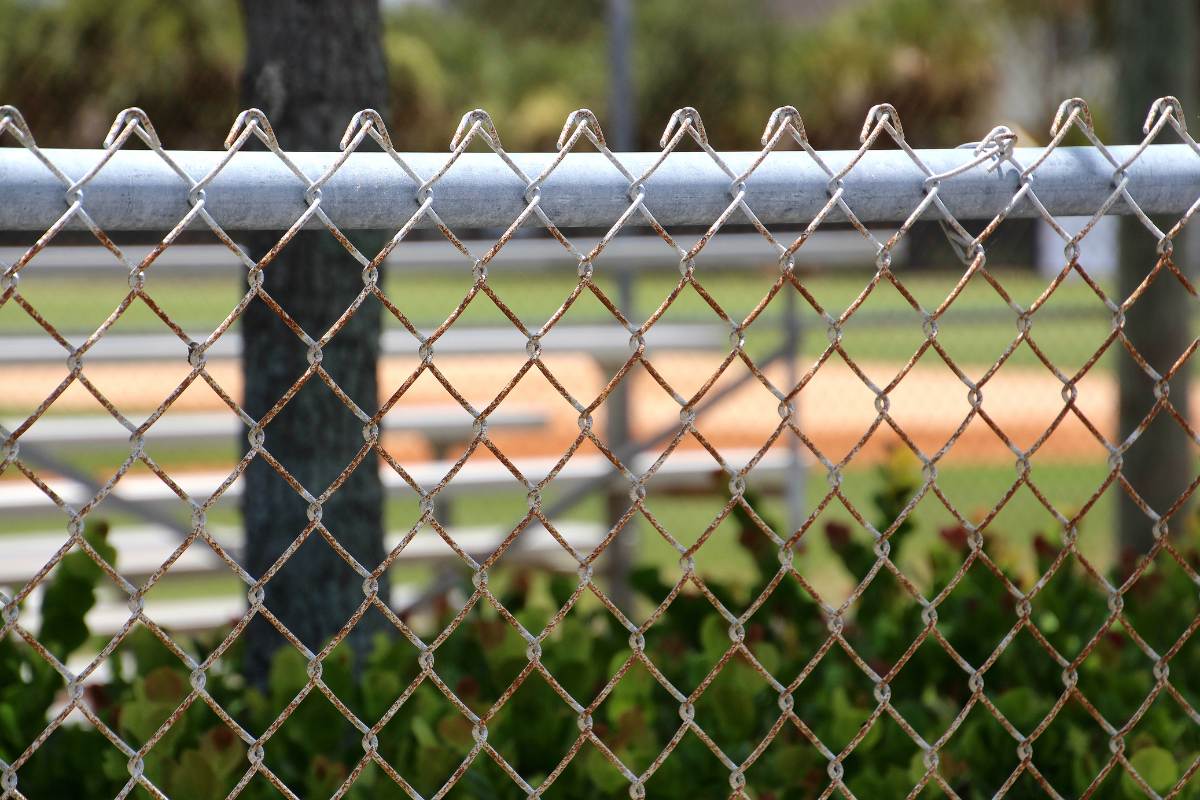
You will encounter three common mesh coatings: galvanized, aluminum-coated, and PVC-coated. Galvanized is the baseline, hot-dipped with a zinc layer that resists corrosion. Aluminum-coated is excellent in coastal and high-salt environments, with a brighter finish and strong longevity. PVC, or vinyl-coated, gives color and added protection, but the quality of the underlying galvanized matters just as much. I have repaired plenty of vinyl-coated fabric where the coating stayed pretty while the low-grade core began to rust at cut ends and ties.
Gauge matters more than many buyers realize. A typical residential fence might be 11 or 11.5 gauge with 2-inch diamonds. Commercial work often uses 9 gauge or heavier, sometimes with smaller diamonds for security. If you expect kids climbing it daily or pallets leaning against it, do not skimp on fabric gauge. Smaller diamond sizes make the mesh more rigid and harder to climb, which can be useful near schools or high-traffic alleys.
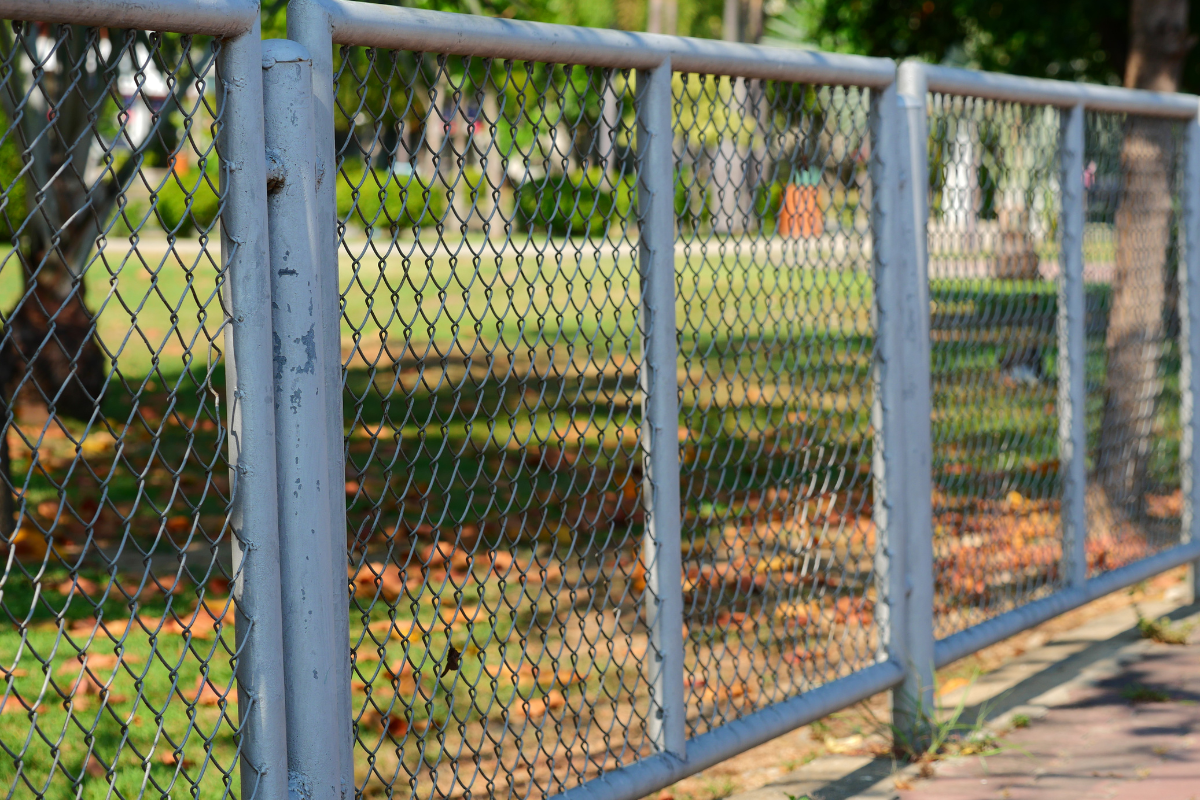
Framework follows the same rule. Top rails and line posts should be schedule-rated pipe or a known wall thickness, not thin tubing labeled with marketing names. In the field, I check with calipers and a magnet. For most homes, 1-5/8 inch top rail and 2-3/8 inch terminal posts are common. Parks and warehouses benefit from heavier posts and rails, especially if you plan to hang gates or install privacy screens. Terminal posts do the heavy lifting, holding the tension through brace assemblies. They need a heavier schedule than line posts, and their footings should be larger and deeper.
Hardware and fittings complete the picture. Tension bands, brace bands, and rail ends carry the force that keeps fabric taut. Over the years I have learned to specify galvanized steel fittings with a real zinc thickness, not decorative plating. Same for carriage bolts and nuts. Stainless has its place, but galvanic reactions with other metals can complicate things near saltwater. The core habit is consistency: match coatings and fasteners so the system ages at one pace.
Soil, frost, and wind - quiet forces that decide success
A chain is only as strong as its weakest link. For fences, the soil often plays that role. Sandy ground requires deeper posts or larger bell-shaped footings to resist uplift. Clay holds well but heaves when it freezes. Expansive soils change volume with moisture swings, pushing and pulling on concrete. Rocky sites force you to core drill or jackhammer, which affects schedule and budget.
A certified chain link fence contractor should ask questions about standing water, grade changes, and local frost depth. In cold regions, footings must extend below frost, which can mean 36 to 48 inches or more. In warm climates with heavy rains, the focus shifts to drainage. I have pulled posts out of soggy lawns where the concrete looked fine but the surrounding soil had liquefied and let the footing kick. A few inches of crushed stone at the base of post holes, properly compacted, helps the footing drain and lock into the subsoil.
Wind transforms light mesh into a sail as soon as you add slats or screening. A bare six-foot fence might ride out a 60 mile-per-hour gust without complaint. Add 90 percent privacy slats, and the load can triple. That is when post diameter, wall thickness, depth, and concrete bells matter. In hurricane-prone zones, we often increase post spacing to reduce fabric spans, then upgrade brace assemblies and tension wire.
Safe and correct installation, step by step
Most mistakes happen because of skipped steps or rushed work. A thorough installer follows a rhythm. The site is measured and marked. Utilities are located. Permits https://johnathanqgyv544.lowescouponn.com/licensed-chain-link-fence-contractor-offering-maintenance-plans are posted if required. Corners, ends, and gates are set first, because those points define straight lines and proper tension. Then line posts and rails fill in, fabric is hung, tied, and tensioned, and gates are leveled and adjusted.
A few field habits make a difference that you will feel a decade from now. Keep line posts plumb in two directions, not “close enough.” Set terminals and gate posts deeper with bigger footings. Pull diagonal braces tight so the top rail does not bow. Use tension bars on both ends of every fabric run rather than wrapping fabric around a post. Add bottom tension wire or bottom rail where pets are involved or where plows and mowers might push fabric. On athletic fields, specify bottom rail. On many residential jobs, a galvanized coated tension wire is enough.
Tying fabric to the top rail and line posts is not a place to economize. Use evenly spaced ties at the top rail and at every other diamond on line posts for residential, more often for commercial. Stainless ties last, but galvanized works well when matched to the system. Hog rings secure tension wire at the base; crimp them fully. At gates, the hinge and latch hardware carries both weight and daily abuse. Oversize gate posts and ball-bearing hinges extend service life. When I hear a gate squeak after the first month, I know the hinge bushings or alignment was off.
Chain link fence repair that actually solves the problem
Repairs are part of the lifecycle. A branch falls, a vehicle bumps a post, a dog digs. The right fix depends on the cause, not just the symptom. If fabric sags, check the terminal bracing and tension bands before you add ties. If a line post leans, test the footing and the surrounding soil. Sometimes you can realign and re-tamp. Other times the footing has cracked and needs replacement.
Mesh patches should overlap by at least three diamonds, secured with new ties and, ideally, a tension bar at the terminal. Avoid weaving in a skinny strip that will unravel the first time a kid climbs it. For galvanized fabric with localized rust, cut out and replace a section rather than painting over corrosion that has already migrated under the zinc. On vinyl-coated mesh, sealing cut ends with approved paint extends life. A certified chain link fence company will stock common gauges and colors so repairs match the existing fence.
Gate issues deserve swift attention. A dragging gate suggests frost heave, worn hinges, or a post that was underbuilt. Lift and block the gate to relieve weight, then realign hinges and re-tension the frame. If the gate leaf has twisted, a turnbuckle brace fixes it, but only if the frame is not bent. I have straightened more than a few tubes with a jack and a jig, but once the metal is kinked, replacement is usually smarter.
Security upgrades that do not break the budget
Security is rarely solved by one feature. The beauty of chain link is that you can layer deterrents. Smaller mesh diamonds make footholds harder to find. Heavier gauge raises the effort required to cut. Taller heights increase time and visibility of climbing. Bottom rails or buried fabric deter pull-up attempts. For high-risk sites, barbed wire or razor options exist, though codes vary and neighbors have opinions.
For a practical example, a small auto yard we serviced needed to stop after-hours theft without turning the site into a fortress. We went from six to eight feet in height, changed to 9 gauge fabric with 1-inch diamonds around the vulnerable side, added bottom rail on that run, and installed an automatic gate with secure rollers. Lighting and camera coverage filled the gaps. Losses dropped immediately, and the added cost was minor compared to insurance deductibles.
Privacy slats help hide inventory, but they do add wind load and a bit of weight. High-density polyethylene slats hold up better in sun than budget PVC, and colorfast warranties tell you how serious a manufacturer is. For noise abatement near busy roads, acoustic screens exist, but they require engineering and heavier framework.
Residential nuances: pets, pools, and property lines
Homes bring different questions. Dogs test fences in creative ways. A bottom tension wire is non-negotiable for diggers. If you have a dog that pushes and chews, consider a bottom rail and smaller mesh size. For jumpers, adding an inward cant on top extensions can help, but check local rules. I frequently recommend a walkout gate width of at least four feet for lawn equipment. It costs little more than a three-foot gate and saves headaches.
Pools are code-driven. Many jurisdictions require self-closing, self-latching gates, specific latch heights, and non-climbable designs. Chain link near pools often calls for smaller diamonds or a different fence type entirely. A certified contractor will know the local code and provide compliant hardware. Do not assume the builder or inspector will catch the difference between a latch at 48 inches and one at 54 inches. Those small numbers matter when you go to sell.
Property lines can sour neighbor relations fast. Always verify boundaries. A survey beats an old fence line, and municipal GIS maps are a starting point, not gospel. If you want to offset inside the line, think through gate swings, mower clearance, and snow storage. Once, I mediated a dispute where a fence was set six inches inside the owner’s lot to avoid a sump line. Two years later, the neighbor built a shed right up to the fence, claiming the gap as his. A quick recorded agreement at the time of installation would have prevented the quarrel.
Commercial and industrial considerations
In commercial settings, the loads and expectations change. Forklifts clip corners, snowplows stack drifts against panels, and delivery trucks tug on gates. Design for abuse. Use heavier terminal posts, bracing, and bottom rails where vehicles operate. On cantilever gates, specify proper V-track or roller hardware rated for the span and weight. Unsupported long gates sag over time. For sites with frequent openings, motor operators and magnetic locks keep alignment true and reduce wear.
Coordination with other trades matters. On a distribution center job, we scheduled concrete and posts before the paving contractor poured asphalt. Where posts cross asphalt, we set sleeves and backfilled after paving to avoid cutting fresh blacktop. On utility sites, grounding and bonding details become part of the spec. A certified chain link fencing contractor will read the full plan set, not just the fence pages, and catch conflicts with drainage swales, light pole bases, or future conduit runs.
Cost drivers that actually matter
Pricing varies by region, but the levers are consistent. Footage drives labor and material cost, while height and gauge set the grade of those materials. Corners and gates raise complexity. Terrain adds time. Rock excavation can add days. Privacy elements inflate wind load, which requires upgrades across the system. Permits and engineering may be required near wetlands, in historic districts, or within easements.
If you want to keep value without sacrificing performance, target the parts of the system that carry the most stress. Spend on heavier terminal posts, proper bracing, and quality hinges and latches. You can often keep a standard top rail and line posts on light-duty residential runs and still end up with a fence that lasts. Conversely, do not pay for thick vinyl coating on low-grade mesh. You will get color, then rust.
Working with a contractor you can trust
Trust does not come from a glossy brochure. It shows up in the questions a contractor asks and the things they will not promise. If someone gives a rock-bottom quote over the phone without a site visit, expect change orders. A professional will measure, confirm utilities, note drainage and grade, and talk through options. You should see a written scope that lists mesh gauge and diamond size, pipe diameters and wall thicknesses, post depths and concrete volumes, gate sizes and hardware brands, and any add-ons like tension wire or bottom rail.
Ask for references you can drive by. Fences age in public. If a contractor has been around, you can see five-year-old installs and judge the work yourself. Pay attention to the little details: consistent post spacing, straight lines, tight fabric, level rails, gates that swing easily without play. Warranty terms matter less than the company’s track record of answering the phone. I keep a log of every job with photos and materials, which makes future chain link fence repair simpler and shows customers exactly what they received.
Here is a short checklist to keep your process on track:
- Confirm licensing, insurance, and any relevant certifications. Ask who will be on site and whether the work is subcontracted. Request a detailed written scope with materials, depths, and hardware specified by gauge and size, not vague terms. Verify utility locates and permitting responsibilities in writing. Do not let anyone dig without locates. Walk the layout on site before digging, marking gates, corners, and grade issues in paint, not just on paper. Agree on a realistic schedule with contingencies for weather and material delays, and set communication expectations.
Maintenance that pays you back
Chain link is low maintenance, not no maintenance. A quick seasonal walk helps you catch small issues before they become big ones. Look for loose ties at top rails, sagging sections, rust spots at cut ends, and gate hinge play. Brush away soil built up against fabric. Keep vines and shrubs off the mesh. Plants trap moisture and accelerate corrosion, and strong vines will deform the fabric over time.
Wash salt and road grime off coastal or roadside fences a few times a year. If you live where snow crews use chlorides, rinse in spring. For vinyl-coated mesh, repair nicks with manufacturer-approved paint. On galvanized fabric, cold galvanizing compounds can slow rust on small scratches. When you see rust spread beyond a small spot, plan a section replacement rather than chasing it each season.
Gates love attention. Lubricate hinges and rollers as recommended. Tighten loose bolts. Level a gate that starts to drag before it warps the frame. If you upgraded to an automatic operator, keep up with the maintenance schedule. Most operators have simple service intervals, and skipping them is how you end up stranded at 6 a.m. with a line of delivery trucks.
Common pitfalls I still see, and how to avoid them
The same mistakes repeat. Posts set too shallow to clear frost. Corners without proper bracing. Fabric tied directly to terminals without tension bars. Too few ties at the top rail. Gate posts underbuilt for wide openings. Slats added after the fact without upgrading the structure. All of these choices work for a while, then fail at the first real test.
Another quiet pitfall is overspanning. Stretching line post spacing to save a handful of posts leaves the top rail bouncy and the fabric wavy under load. On a windy ridge, we cut line post spacing down to six feet and the fence stopped flexing like a fishing rod. Likewise, light-duty hinges on a heavy gate are false economy. The hinge pin should be rated to exceed the gate weight with a safety factor, not match it on paper.
Finally, be wary of mixing metals without thought. Attaching aluminum screens to galvanized steel can set up galvanic corrosion in the wrong environment. If you must mix, isolate with gaskets or use compatible coatings.
When chain link shines as the smart choice
On a school renovation project, budget pressure forced decisions. The district wanted safe play areas, separated bus and parent traffic, and secure equipment yards. Ornamental steel looked great at the main entrance, but we used chain link for the long runs and ball fields. By specifying 9 gauge fabric, 1-3/8 inch top rails for fields with lighter loads, bottom rails at ball backstops, and durable powder-coated gates, the system balanced cost and performance. Ten years later, maintenance has been minimal, and the fences still look straight and tight.
In a residential context, a family with two huskies needed a secure yard without losing sight lines to the woods behind. We installed a five-foot chain link perimeter with bottom tension wire and a buried fabric skirt along a known digging zone. For the patio, a short section of privacy slats cut wind and screened the grill area. The dogs tested it immediately, and the fence held because it was engineered for their behavior, not just for appearances.
The value of a true partner in chain link fencing services
A fence defines space and expectations. It tells delivery drivers where to stop, keeps toddlers away from pools, gives pets freedom, and secures tools you count on to make a living. When a chain link fence contractor brings certification, the conversation widens beyond “how many feet and how tall” to “how will this perform in five years, in a storm, when the dog discovers digging, or when the new neighbor plants hedges.”
That is the partnership you want. Clear scope. Honest trade-offs. Materials that match the environment. Installation that respects soil, frost, and wind. Maintenance advice that fits your life. It is not complicated, but it is disciplined. Done right, chain link fencing pays you back with decades of service, low drama, and the quiet confidence that the boundary you set will be there tomorrow.
If you are comparing proposals, look past the headline price. Read the specs. Ask why a contractor recommended a particular gauge or post depth. Walk a past job and look closely at the details. The right chain link fence company will welcome those questions. They know the investment is small compared to what you rely on the fence to protect, and they install with that responsibility in mind.
Southern Prestige
Address: 120 Mardi Gras Rd, Carencro, LA 70520
Phone: (337) 322-4261
Website: https://www.southernprestigefence.com/