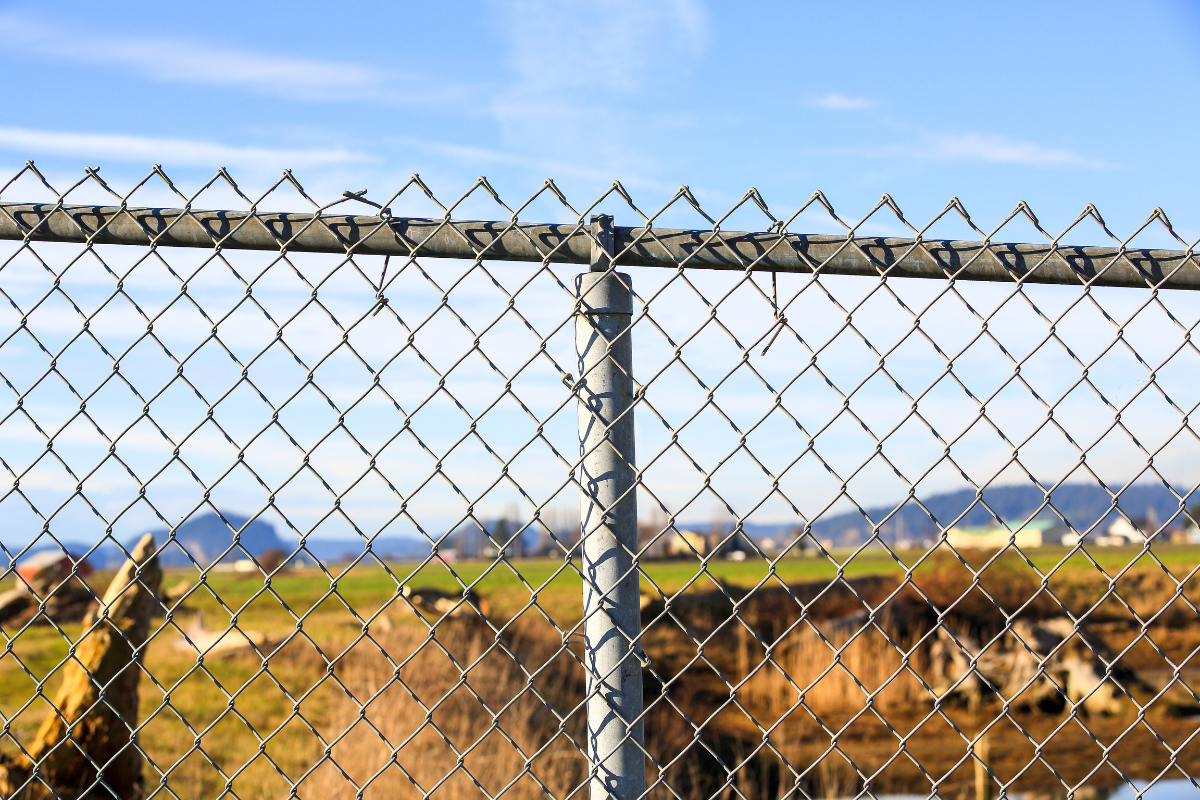
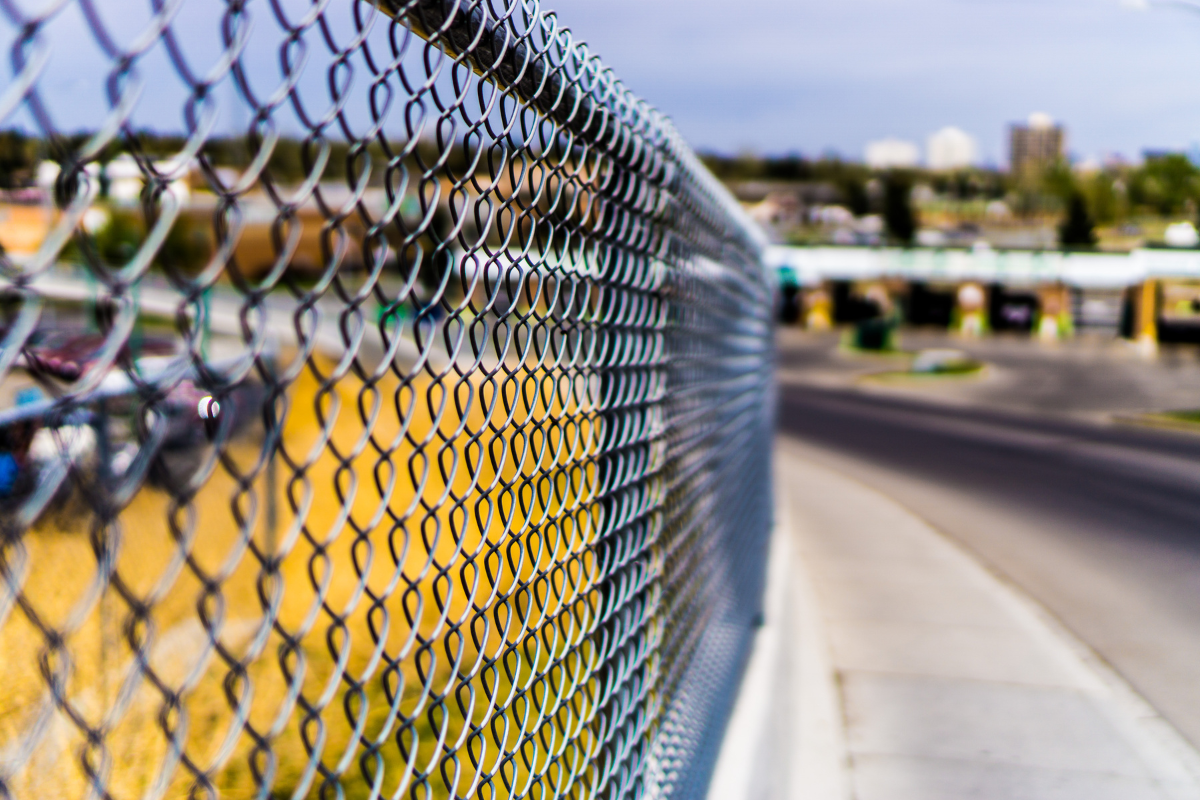
School grounds and playgrounds sit at the intersection of safety, access, and community. Parents want a secure perimeter that keeps children from wandering off and keeps hazards out. Administrators need a solution that meets code, deters vandalism, and fits the budget. Maintenance teams look for durability and straightforward upkeep. After years working with districts, cities, and private schools, I’ve found that chain link fencing hits that balance better than most options when it is specified and installed correctly. It can look utilitarian or refined, depending on choices around coatings, framework, and gates. It can be robust enough for sports fields yet forgiving near play areas. The difference between a fence that serves for decades and one that disappoints comes down to thoughtful planning, quality chain link fence installation, and a reliable chain link fence contractor who understands how schools operate.
What chain link does well on school sites
Chain link fencing solves several problems at once. The woven steel fabric delivers see-through visibility that helps supervision. Staff can scan across a field without blind corners that solid panels create. On busy mornings and afternoons, visibility is not just convenient, it is preventive. Unobstructed sight lines reduce horseplay and mishaps around gates, and they give drivers a visual cue that keeps speeds down near drop-off loops.
Strength per dollar matters for public projects. Galvanized steel fabric with a proper zinc coating resists rust. Pair it with Schedule 40 or SS20 posts, and you get a system that handles wind, incidental impacts from balls and carts, and the occasional student shortcut over the bottom rail. For a district that maintains multiple campuses, consistent specification across sites simplifies chain link fence repair, because the same fittings and fabric gauges are used.
Chain link also adapts. For an early-childhood playground, you can choose a tighter mesh and a taller height without making the area feel boxed in. For a high school baseball field, you can add privacy slats along the bullpen or backstop padding where foul tips hit. Around utility yards, you can add windscreens and barbed wire where security calls for it, while keeping the more welcoming look near the main entrance.
A safety lens, not just a security lens
Schools rarely need fortress-like barriers. They need practical safeguards that address the everyday ways kids interact with fences. The top of the fence, the spacing at the bottom, and the style of gates are the three spots where thoughtful choices prevent avoidable injuries.
I specify knuckled top and bottom for elementary playgrounds. Twist-and-barb tops belong at service yards, not where children play tag. Bottom tension wire should be tight and smooth, or better, use a bottom rail in high-traffic play areas to keep feet from snagging. The extra cost of a bottom rail is modest compared to nurse office visits and parent complaints. For athletic fields, a bottom tension wire is usually fine, as long as grade transitions are controlled and mow strips keep edges clean.
Gate selection often gets too little attention. Self-closing, self-latching pedestrian gates with panic egress hardware support fire code and keep little hands from propping gates open. On preschool yards, a childproof lever height and shrouded latch save staff from policing gate etiquette every recess. For vehicle gates, sliding cantilever gates are safer than swing gates where space is tight, because they do not arc into sidewalks or bike paths. Locking hardware should match the school’s keying system to reduce workaround habits like zip ties or personal padlocks that inevitably fail during emergencies.
Materials that stand up to school life
Not all chain link is equal. Price often hides in the details: wire gauge, mesh size, coating type, and framework thickness. For schools and parks, I recommend nine-gauge fabric as the workhorse. Heavier eight gauge or even six gauge makes sense for high-abuse areas like backstops and equipment yards. Avoid the temptation of lighter eleven or eleven-and-a-half gauge for primary perimeters. It https://augustzflz888.bearsfanteamshop.com/affordable-upgrades-for-chain-link-fence-repair-and-reinforcement can stretch, bend at the bottom where kick-through attempts happen, and it fails sooner where mowers throw debris.
Coating matters both for longevity and aesthetics. Standard galvanized is economical and performs well, especially with a hot-dip zinc process. If the campus has a design standard, consider vinyl-coated fabric over galvanized core. Black and green are common, with black blending best against landscaping and reducing glare in sunny climates. Vinyl coating adds a layer of corrosion protection and softens the look. Posts and rails can be powder coated to match, but remember that powder coat shows scrapes from sports equipment more readily. For posts, use a structural grade. In windy regions or open fields, I use larger diameters and heavier wall thickness, especially at corners and gateposts.
Fittings are the quiet heroes of a chain link fence. Galvanized steel tension bands, brace bands, and pressed steel caps outlast thinner stamped parts. Aluminum ties corrode less with vinyl-coated fabric. Stainless hardware on coastal sites avoids tea stains down the posts. On projects within five miles of saltwater, I double the usual caution about coatings and spec galvanized after-fabric weaving or aluminized options, then pair with vinyl only if the fabric core is high quality.
Heights, clearances, and codes that steer design
Local codes and district standards typically set minimum heights. For preschool and elementary playgrounds, four to six feet is typical, with five feet being a good balance when equipment is close to the perimeter. Secondary schools lean six to eight feet along property lines to reduce cut-through foot traffic. Athletic fields push higher, not for trespass control but for ball containment. Backstops reach twenty to thirty feet with heavier mesh, and outfield fences sit six to eight feet for baseball, often with a top rail cap for safety.
Clearances under the fabric should be tight enough that a shoe cannot wedge under and lever the fabric upward. A three-inch maximum gap is a practical target when turf and grade are uneven. On slopes, step the fence or run it racked to keep consistent gap control. Where drainage swales cross, install culverts or a concrete mow strip, then run the fabric to grade over the hard surface. That keeps water moving without creating crawl-under spots.
Egress is non-negotiable. Pedestrian gates on fenced play yards must allow free exit during emergencies. Choose panic bars and ensure staff can override hold-open closers during drills. On large campuses, integrate card readers on staff gates and keep them separate from parent entrances to prevent tailgating during busy times.
Planning with the school calendar and campus rhythms
Chain link fencing services done well respect the school day and the school year. I build schedules around testing weeks, graduations, and big sports events. Noise and dust near classrooms frustrate teachers trying to keep attention on lesson plans. For that reason, I often phase projects. We fence the back fields during the spring season changeover, then move to the front of the school in early summer once the buses stop running. When school opens, punch lists should be down to quiet tasks like adjusting latches or touching up posts.
Temporary fencing is an underused tool. While replacing a perimeter, use eight-foot temporary panels with sandbags and secure clamps to maintain safety and access. Parents need clear wayfinding. Simple signs at gate changes keep drop-off smooth. I always meet the principal and head custodian on site before a chain link fence installation to walk the routes, because the map rarely captures how kids actually move between buildings.
Installation details that separate durable from disposable
The strength of a chain link system starts at the footing. In our climate, frost depth dictates hole depth. In milder regions, I still go deeper than the bare minimum, because kids climb, storms blow, and physics wins. Concrete footings should bell at the bottom when possible and be domed at the surface to shed water. Corners and terminal posts need bracing with rails or tension wires configured so that the pull of the fabric has a true counterforce. Skip the shortcut of drilling shallow holes and relying on thicker concrete collars. They migrate over time, and posts tilt toward the pull.
Fabric tension is both art and science. Stretch too tight, and you cut service life by stressing the weave and fittings. Too loose, and the fence looks tired on day one and invites climbing. I use a come-along with a stretcher bar, check deflection by hand, and sight down the top rail to see any waves early. When I see the telltale diamond distortion near a terminal, I back off before tying. For playgrounds, I tie at closer intervals on the top and bottom thirds, because that is where curious hands will test the work.
Transitions around slopes, retaining walls, and tree lines call for judgment. I cut fabric panels to fit instead of stacking overlaps that create finger-holds. Where roots press close to grade, I install a narrow concrete mow strip that both cleans the line for maintenance and keeps the bottom of the fence consistent. A clean bottom line reduces the time custodians spend chasing trash snagged in ragged edges.
Gate hardware that earns its keep
If a chain link fence has a failure point, it is often the gate. Pedestrian gates get the most cycles. Closers must be sized for the gate weight and adjusted so the latch catches without slamming. I recommend hydraulic closers with adjustable speed, not spring hinges, for most school gates. They hold up better and align with accessibility requirements. For latch style, gravity latches are common, but magnetic latches with keyed cylinders offer better reliability and fewer adjustments.
Vehicle gates introduce different risks. Swing gates are simple, but they require clear swing paths and vigilant supervision. Cantilever slide gates glide clear of drive aisles and sidewalks. When budgets allow, I specify cantilever systems with sealed roller trucks and welded frames. Chain drives and basic operators have their place, but on schools I prefer manual slide gates unless the campus is staffed to maintain motors. Nothing undermines security faster than a stuck operator that everyone learns to bypass.
Balancing appearance and deterrence
Chain link has a reputation for looking industrial. On school sites, finishing choices soften that impression. Black vinyl-coated mesh paired with black powder-coated posts disappears against landscaping. A continuous top rail looks more refined than line posts with tie wires alone. Where privacy is needed near classrooms or counseling offices, I use privacy slats selectively rather than walling off entire sides. Full privacy fields are tempting for vandalism, because they hide activity. A section of slats paired with a view-through stretch achieves the goal without creating blind zones.
For elementary schools, I sometimes add a rounded safety cap along the top rail in high-contact areas. It adds a splash of color and reduces the chance of scraped arms during recess. For middle and high schools, signage integrated with the fence line helps reinforce expected routes. When you make the main gate clear and dignified, students follow it and stop challenging side gaps.
Maintenance and the reality of school budgets
Chain link fence repair is straightforward when the original system is built with standard components. If a panel is bent by a vehicle or tree limb, you can unweave a seam and replace the damaged section without tearing out long runs. Worn latch hardware replaces in minutes. Rust spots, if they appear, usually start where irrigation sprays against powder-coated posts or where sprinkler heads have drifted off target. Adjust irrigation and touch up coatings before oxidation spreads.
Set a twice-yearly walk-through with the custodian or facilities lead. Look for loose ties, sagging sections, and soil washout at the bottom of slopes. Tighten brace bands, realign gates on their hinges, and replace missing caps before kids discover them. Most districts I work with spend a fraction of their fence replacement cost on annual upkeep. That ratio holds for decades if the original chain link fence company did the basics right.
Common mistakes I still see, and how to avoid them
The fastest way to shorten fence life is to undersize posts and skip proper bracing. A six-foot fence with line posts too far apart looks wavy within a year. Another mistake is setting gates without a gravel base under the footing. Water collects, freezes, and heaves the post out of plumb. Hardware that does not match the use leads to constant service calls. A latch meant for a backyard fails quickly on a campus gate that cycles 500 times a day.
I have seen well-meaning designs put playground fences within two feet of climbing equipment. That invites falls against the fabric and creates pinch points. Keep at least six feet clearance around play structures and more for high decks, per ASTM and CPSC guidance. Where space is tight, install padding on adjacent fence panels or shift equipment zones.
The last preventable issue is ignoring neighbors. On joint-use fields, coordinate schedules and fence lines so that after-hours leagues respect campus boundaries. Clear signage and a consistent lock schedule smooths relations. When neighbors feel trapped by a new fence, they find ways around it.
Working with a chain link fence contractor you can trust
Even the best specification falls apart with poor execution. When choosing a chain link fence contractor for a school project, look beyond the bid number. Ask about staff background checks and site safety protocols around children. Confirm experience with public procurement and prevailing wage requirements. Request references from other campuses and then go walk those sites. Look for straight lines, tight fabric, and gate alignment. Ask the principals whether the crew respected class time and kept the site tidy.
A dependable chain link fence company will bring issues forward early. Soil conditions, buried utilities, and hidden property corners are common surprises. The right partner proposes solutions rather than waiting for change orders at the eleventh hour. They will also help you phase work around bell schedules and coordinate with security teams on interim access.
When alternatives make sense
Chain link is not the answer to every perimeter. Near a main entry where the district wants a civic presence, ornamental steel or aluminum picket fencing reads better and signals pride. Around kindergarten gardens, a low picket or welded wire panel might fit the theme. For sound control near busy roads, a solid wall or composite system does something chain link cannot. Plenty of projects blend systems. Use ornamental at the front 200 feet, then transition to chain link around the sides and fields. A competent installer handles those transitions cleanly with stepped grades and aligned posts.
Privacy demands can also push you past what chain link offers. While windscreens and slats help, they add wind load and can tax posts not designed for it. If a school needs true privacy, design the structure for it instead of retrofit. I have replaced windscreens shredded in a season because the original fence was never meant to act like a sail.
Budgeting and lifecycle thinking
A realistic budget accounts not just for materials, but for site prep, demolition, and contingencies. Removing old fence can reveal surprises like concrete ribbons poured without breaks that run under landscaping. Clearing brush along old lines sometimes triggers minor grading to create a stable base. I budget a contingency of 10 to 15 percent on school projects, because last-minute route changes to avoid new utilities or to meet an unrecorded easement happen.
Lifecycle costs favor chain link. A galvanized system with quality components easily serves 20 to 30 years. Vinyl-coated systems in mild climates push past that. Over that span, minor chain link fence repair tasks keep the system safe and presentable without major capital infusion. Compare that with wood, which can look great day one but demands frequent staining and board replacement. Metal picket lasts, but at a higher initial cost and with less flexibility for athletic zones.
Practical steps to get from idea to fence line
- Walk the site with the decision-makers, not just the drawings. Confirm how students move, where supervision is needed, and where the new line affects drop-off or fire lanes. Decide where visibility matters and where screening is acceptable. Mark those zones before you invite bids so contractors price like for like. Pick a fabric gauge and post spec that fit the toughest area on site, then keep it consistent. Standardization simplifies repair and avoids oddball parts years later.
Once you have a plan, bring in two or three qualified bidders. Share the same scope and detail your expectations: background checks, work hours, noise limits, and trash removal. Ask each chain link fence contractor how they handle schedule slips due to weather or testing days. The answers tell you how they treat schools as clients.
A note on sustainability and end-of-life
Steel is recyclable. When we remove an old chain link perimeter, most of the metal goes back into the scrap stream. Concrete footings are harder to reuse, but if the district is renovating a field, crushed concrete often becomes base for new paths. Vinyl coatings are less green, so if sustainability scores matter, weigh aesthetics against recyclability. Some manufacturers offer aluminized fabric that resists corrosion without vinyl, balancing appearance and lifecycle.
Landscaping around the fence is another sustainability lever. A simple native hedge line inside the fence cools play yards, screens winds, and reduces the urge to add plastic windscreens. It also deters climbing more effectively than barbs in kid zones. In dry climates, drip irrigation along the fence base supports plants without spraying the metal.
Final thoughts from the field
The best school fences fade into the background of daily life, doing their job without calling attention to themselves. They help staff keep eyes on students, guide visitors to the right entry, and resist the rough-and-tumble pace of a K-12 campus. That outcome is less about any single product and more about choices that reflect how schools work. Specify the right materials. Respect codes and the reality of busy campuses. Choose a chain link fence company that treats the project as a partnership, not a transaction. Maintain it with simple routines, and you will get decades of safe service for a reasonable cost.
Chain link fencing services are not glamorous, but they are consequential. When the last post is set and the latch clicks into place on the first day of school, you want staff to feel that the campus perimeter finally matches their daily needs. Done right, chain link is one of the rare purchases that quietly earns trust year after year.
Southern Prestige
Address: 120 Mardi Gras Rd, Carencro, LA 70520
Phone: (337) 322-4261
Website: https://www.southernprestigefence.com/