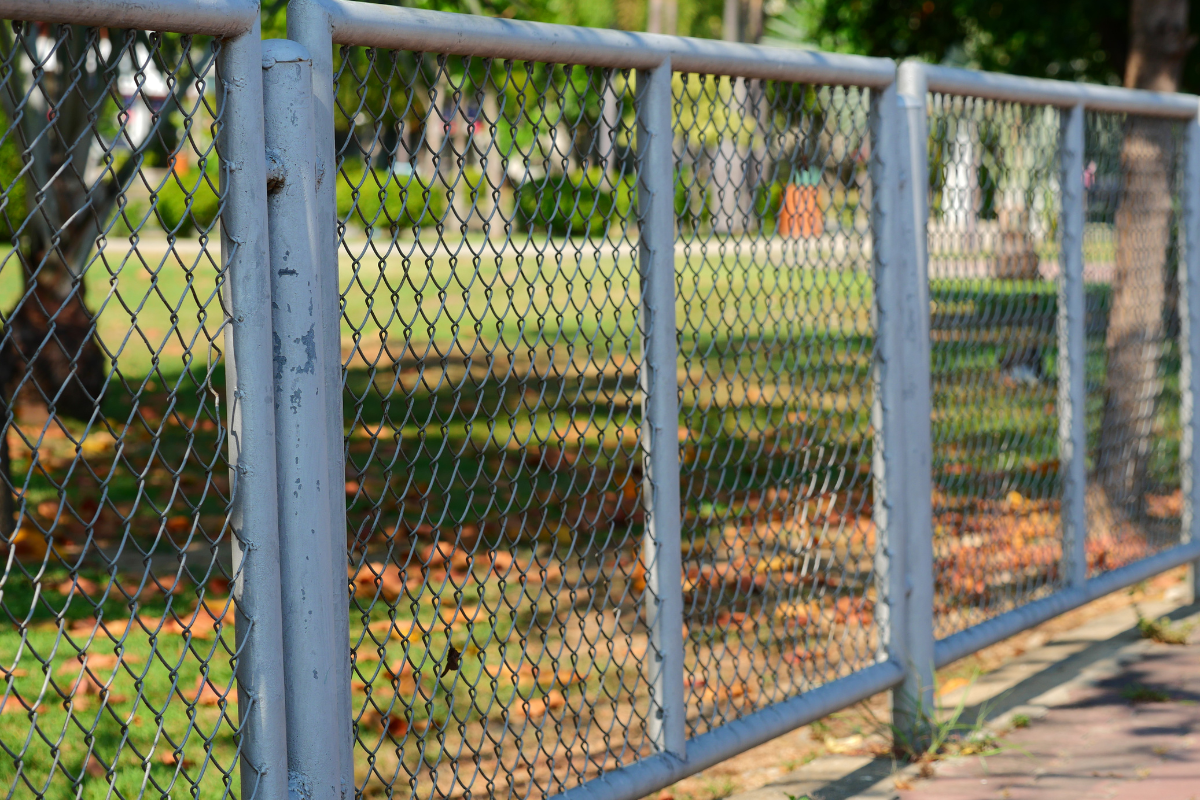
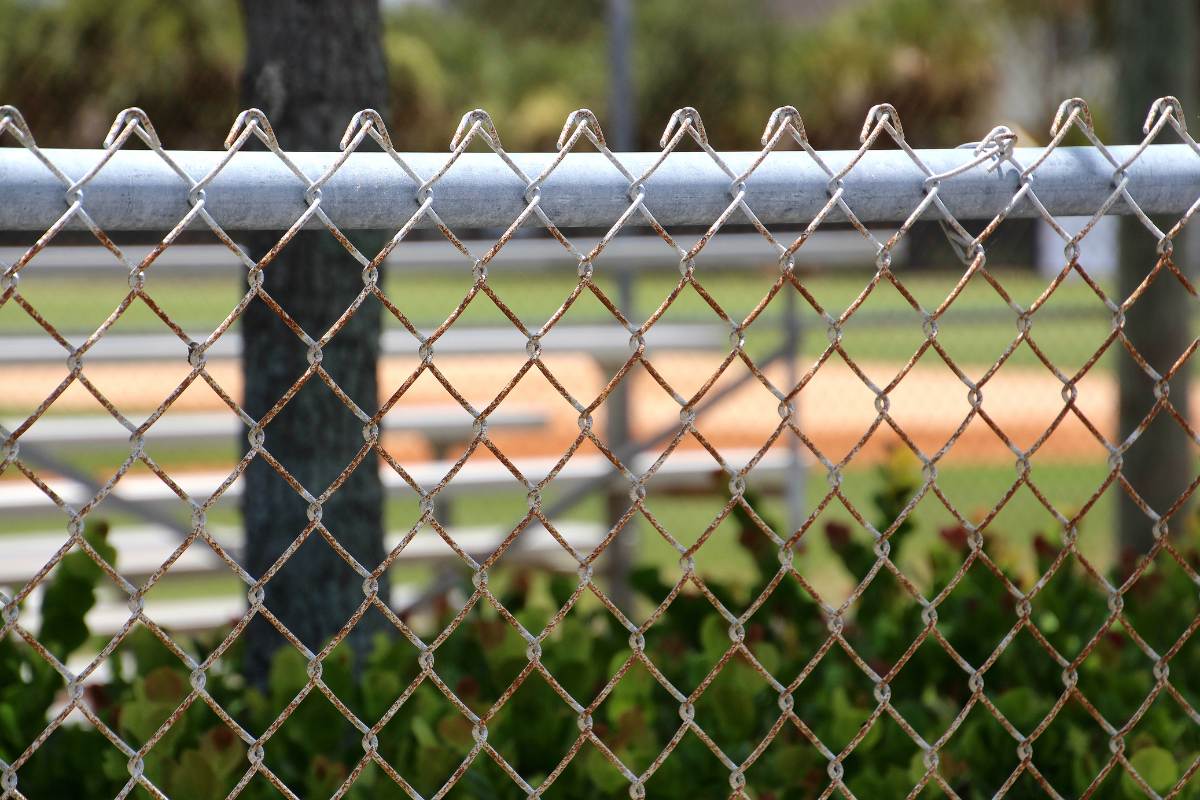
Security at a warehouse or industrial site is rarely a single purchase. It is a layered system that blends access control, lighting, surveillance, and physical barriers that deter and delay. Chain link fencing has earned its place in that mix because it does its job without drama. It marks a clear boundary, resists abuse, adapts to terrain, and goes up quickly. When specified and installed correctly, it sets the baseline that everything else depends on.
This is not simply a matter of ordering fabric and posts. Choosing the right chain link fencing services, from design through long-term upkeep, determines whether your perimeter holds up to forklifts, snowplows, and bored teenagers, or becomes a recurring problem on your maintenance log. I have managed upgrades on busy distribution yards, high-voltage substations, and scrap metal facilities where the fence took more punishment in one month than most residential fences see in a decade. The difference between frustration and a clean inspection often came down to details that were decided before anyone broke ground.
What chain link does well, and where it needs help
Chain link shines in environments that demand durability, visibility, and value. Galvanized steel fabric with a properly specified mesh and a solid framework will shrug off wind, sun, and casual impacts for years. If you manage a warehouse that needs clear lines of sight for security patrols and cameras, it beats solid walls that create blind zones. When you need long runs along rail spurs or property lines with uneven grade, chain link can follow the contours without expensive retaining structures.
It does have limits. Chain link is a delay barrier, not a fortress. With basic tools and enough time, it can be cut. That is why facilities with higher risk profiles layer chain link with barbed wire or razor coil outriggers, add bottom rails and tension wire to prevent lifting, specify smaller mesh and heavier gauge to slow cutting, and back the perimeter with lighting and cameras. For noise control or visual screening, privacy slats or windscreens help, but they add wind load and maintenance. In corrosive environments like coastal sites or chemical plants, standard galvanizing may not be enough, and you should be thinking about aluminized fabric, vinyl-coated systems, and stainless steel hardware in select locations.
Good chain link fencing services start by mapping these trade-offs against the reality of your site: truck traffic patterns, snow storage areas, forklift activity near the fence line, local code and utility easements, and crime patterns in the area. A chain link fence contractor who walks your site and asks questions about how you use it is not nitpicking. They are protecting your budget.
Specifying materials that last
Three decisions drive the performance of chain link: fabric gauge and mesh, framework strength, and coating systems. All three should be sized for the risks your site faces, not just the initial purchase price.
For fabric, 2-inch mesh with 9-gauge wire is common for commercial sites, but I have seen scrapyards and cannabis processors specify 1-inch or 1.25-inch mesh and 6-gauge wire where cutting is a higher concern. Smaller mesh slows bolt cutters. Heavier gauge improves impact resistance when a skid steer accidentally nudges the fence while clearing snow. For the framework, schedule 40 posts and rails hold up better along vehicle corridors than lighter roll-formed alternatives. Line posts set on 8-foot centers reduce fabric sag and better resist wind, especially if you plan to add windscreens.
Coating matters more than many buyers realize. Standard galvanized fabric with 1.2 ounces of zinc per square foot is fine inland, away from corrosive dust. In coastal zones, look at heavier galvanizing or aluminized fabric, and use industrial-grade vinyl-coated systems for extra protection. Do not skimp on hardware. Galvanized ties, tension bands, and fittings are standard, but stainless steel ties in high-salt or chemical drift areas can stop the small failures that grow into big repairs. If you are adding security toppings like concertina, insist that the outrigger arms and bracket hardware match the corrosion protection of the rest of the system.
Gates need special attention. A beautifully built fence with flimsy gate frames is a false economy. Use welded gate frames with bracing and truss rods sized for the opening. Rolling gates can span wide driveways without encroaching on clear zones, but they need proper track, guides, and keepers. Swing gates are simpler to maintain but require space to operate and heavier posts. If you run 24-hour operations with constant truck flow, ask the chain link fence company to design gate posts and footings to carry those loads over time, and to plan for automation later even if your budget phases it.
Planning for real-world use, not brochure conditions
Every industrial site has its quirks. The fence should take them into account. Consider snow removal. If your plow operator tends to stack snow along the east fence between December and March, specify stronger framework, add a bottom rail, and allow extra standoff from the pavement edge. If you store pallets close to the boundary, add interior bollards at vulnerable runs to protect the mesh from forklift forks. Where the fence line crosses a drainage swale, allow for culvert guards and reinforced footings that will not heave or wash out.
Utilities and easements dictate where you can dig and how deep. A chain link fence contractor worth hiring will call in utility locates, review site drawings, and adjust post positions and gate operators to avoid buried lines. I have delayed projects to reroute a fence three feet to miss a fiber trunk. It cost less than a single outage. On rail-adjacent properties, coordinate with the railroad’s real estate and safety departments. Their clearance requirements and access rules can influence fence type, height, and gate locations.
Height is another design decision that needs a purpose behind it. Security improves with height, but so does wind load and material cost. Eight feet is typical for commercial sites. High-risk facilities often go to ten or twelve feet, with three strands of barbed wire or a six-inch razor coil on top. In some jurisdictions, barbed wire is not allowed or is restricted to certain zones. Your chain link fence company should know local code and help you navigate exceptions for industrial use.
Chain link fence installation that holds up under pressure
Poor installation can ruin good materials. Proper chain link fence installation starts with layout and line clearing. A straight fence that hugs the property line on paper can become a maintenance nightmare if vegetation, old footings, or uneven grade force a zigzag. Clearing the line a few feet on both sides creates room for accurate post setting and later repairs. On long runs, set batter boards and pull string lines to maintain alignment.
Footing design needs both strength and drainage. I see too many shallow footings that heave in freeze-thaw cycles. Depth should go below frost line where applicable. Bell the bottom of the hole in sandy soils to resist uplift. In expansive clay, use pier foundations that isolate the post from lateral soil pressure. Add a gravel base in the hole for drainage. For posts near wash areas, consider sonotube forms with skirts to prevent undermining.
Fabric tension separates professional work from shortcuts. Top rails should be continuous with secure couplings, not a patchwork of short offcuts. Tension bars at terminal posts distribute load evenly; do not let anyone talk you into skipping them and tying fabric directly to posts. Pull the fabric tight with a come-along and stretcher bar, then tie every second diamond on line posts for security applications. Add bottom tension wire or a bottom rail to prevent lift. In heavy-use yards, I prefer bottom rails. They make it harder for vandals to pry up the fabric and keep the lower edge from becoming a catch point for debris.
Gates are often the first failure point when installed in a hurry. For sliding gates, set true plumb posts with deep footings, align the track, and confirm smooth travel under load. For swing gates, check chain link fence installation for both clear swing and reliable latching. A gate that binds in summer and gaps in winter usually points to posts set shallow or on poor soil. When motorizing gates, ensure the operator’s footing is sized to resist torque, and add conduits with pull strings for controls and safety loops before you pour concrete.
Enhancements that raise security without busting budgets
Chain link’s strength comes from its flexibility. It accepts add-ons that adapt a fence to the risk at hand. Barbed wire outriggers, whether straight, V, or Y shaped, add a cheap but effective deterrent. Razor coil, while more formidable, demands careful handling and clear signage, and some clients prefer barbed wire for public-facing runs.
On the ground side, buried mesh aprons stop dig-through attempts along high-risk zones. For sites storing valuable inventory outdoors, a two-foot buried skirt reinforced with rebar stakes creates a real barrier. Privacy slats and windscreens should be used intentionally. They block lines of sight and reduce theft scouting, but they also sail in the wind. If you add them to a fence that was not designed for the load, posts can lean and fabric can bag. When we add screening, we tighten post spacing, install heavier rails, and add wind relief panels at intervals.
Lighting pairs naturally with chain link. Mount fixtures on independent poles, not on fence posts, unless the fence was engineered as a lighting support. Cameras like clear views. If you plan analytics, avoid slats where cameras need to watch a gate queue or employee parking. For critical gates, integrate magnetic locks or electric strikes with access control and add ground loops to prevent a closing gate from striking vehicles.
The value of repairable infrastructure
One of chain link’s advantages is how forgiving it is to repair. A forklift can scrape a panel. Vandals can cut a section. In most cases, a chain link fence repair team can pull out the damaged fabric, weave in new mesh, and tighten the section without replacing long runs. This modularity makes planning for spares practical. Keeping a small stock of matching fabric, tension bars, and fittings on site can turn a three-day wait into a same-day fix.
Not all repairs are equal. A bent line post near a gate that sees daily traffic is a weak point. Replace it rather than trying to straighten it in place. Posts that have shifted due to frost heave often indicate drainage problems that need addressing, not just cosmetic fixes. If a section repeatedly fails because vehicles bump it during backing, adjust traffic flow, add bollards, or move the fence line. Chronic repair is usually a symptom of an operational mismatch, not inferior materials alone.
A good chain link fence company will structure maintenance plans around predictable wear. Annual walkthroughs catch loose ties, early corrosion at hardware, and sagging fabric before they escalate. After major storms, a quick inspection of outlying runs and the windward side of screened sections prevents surprises. In places with active wildlife, bottom edges deserve attention. Raccoons and coyotes are persistent. Steel bottom rails and an apron of crushed rock discourage tunneling.
Working with a contractor who understands industrial constraints
Finding a chain link fence contractor is easy. Finding one who can install around your operations without causing chaos takes more care. Warehouses rarely shut down to accommodate construction. Scheduling mobilization before or after peak dock hours reduces conflicts. Flaggers during pipe and post deliveries keep pedestrians safe. On secure sites, background-checked crews and clear badging procedures keep security happy and work flowing.
Permitting is the contractor’s job, but the owner’s role is to provide accurate site plans, property line information, and any existing easements or covenants. A chain link fence company that brings stamped drawings when required, soils recommendations for footings, and shop drawings for custom gates will keep inspectors on your side. If you need UL 325 compliant automated gates, or work near a public right-of-way, ask early how the contractor handles those standards.
Pricing deserves a clear breakdown. Fabric and framework gauges, post spacing, footing sizes, gate hardware, toppings, coatings, and any demolition or clearing should be itemized. Low bids often hide substitutions, such as lighter posts, thinner fabric, or fewer ties per foot. Ask for samples. Pick up a length of 9-gauge fabric and compare it to 11-gauge. The weight in your hand tells the story. For long projects, lock material specs into the contract so substitutions require approval.
Integration with operations and safety protocols
A fence is part of a living system. It should reflect how people and vehicles move and how the site responds to emergencies. Emergency responders need certain gates keyed and knox-box access for automated operators. Fire lanes cannot be blocked by sliding gate tails. If you stage trailers along the fence, set the fence far enough back to allow swing clearance. For employee entrances, pair pedestrian gates with card readers and proper lighting, and design them with closers and panic hardware for code compliance.
Safety during installation is non-negotiable. Cutting, grinding, and lifting long sections of pipe introduce risks. Look for a chain link fence contractor who brings job-specific safety plans, trains their crew on equipment, and coordinates lockout procedures near electrical or mechanical gates. On busy yards, the difference between near misses and clean installs is foremen who call a 15-minute stand down to reset a work zone when conditions change.
Budget, lifecycle, and when to spend more
Chain link survives value engineering because it delivers long runs of security at a reasonable cost. But within the category there is a quiet spectrum, and the cheapest version is rarely the best value for industrial use. A fence built with 11.5-gauge fabric and light posts might cost 15 to 20 percent less upfront. Over five years, the repair tickets and downtime will erase that savings. Conversely, overspecifying with prison-grade mesh where you are fencing a low-risk pallet yard locks up capital you could spend on cameras and better lighting.
A balanced plan starts with risk mapping. Protect critical assets and vulnerable access points with heavier materials, tighter mesh, and toppings. Use standard commercial specs on low-risk property lines where visibility and demarcation matter more than forced entry resistance. Invest in gates that match your traffic patterns and consider motorization where human error at manual gates causes delays or accidents.
For corrosion, do not guess. Review environmental factors with your contractor. In coastal areas within a mile of surf, plan for vinyl-coated fabric and upgraded hardware. In fertilizer plants and cement yards, dust is corrosive. Hose-down practices matter. If your crews wash down near the fence weekly, make sure the framework has sealed ends and weep holes positioned to avoid trapping water.
Practical scenarios from the field
At a regional distribution center, management blamed repeated fence failures on vandalism. The hot spot sat 30 feet from the rear of a loading alley. We watched forklifts staging pallets after-hours, bumping the fence as they angled past. The fix was not heavier mesh, though that would have helped. We moved the fence line five feet, added four bollards, and re-striped the lane. Repair calls dropped to zero, and the fence we had installed a year earlier stopped taking the blame for an operational squeeze.
In a coastal fabrication yard, a three-year-old fence showed rust at fabric knuckles and gate hinges. The original chain link fence installation used standard galvanized fabric and zinc hardware. Salt spray and grinding dust accelerated corrosion. We replaced the worst runs with vinyl-coated 9-gauge fabric and swapped hinge hardware for stainless, then added a monthly rinse protocol to maintenance. The new sections hold clean while the untouched runs continue to age. That contrast convinced the owner to phase the upgrade over two fiscal years instead of living with piecemeal failures.
A transit depot needed tighter security around fuel tanks but could not obstruct camera views. We specified 10-foot fencing with 1.25-inch mesh, bottom rails, and a V-arm with three strands of barbed wire. Cameras mounted on poles just inside the fence looked over the top, avoiding slats that would have degraded analytics. The chain link fence contractor coordinated with the city on barbed wire allowances for critical infrastructure. Compliance was documented, and the system has passed two audits without change orders.
How to choose chain link fencing services with confidence
When you evaluate providers, look beyond glossy photos to the way a company approaches problem solving. Ask how they size footings for your soil. Have them describe how they tension fabric and tie rates for security runs. Press for examples of chain link fence repair strategies that minimize downtime. The best contractors will show you projects that are still performing after five or ten years and will be candid about what they would do differently now.
Here is a simple filter that keeps conversations focused:
- Ask for two or three site-specific design options that show material gauges, post spacing, toppings, and coatings, with pros and cons for each. Request a sample section to handle, including fabric, tension bar, and a line post cutaway showing wall thickness. Require a project schedule that addresses your operating hours, material lead times, and inspection points, including utility locates and gate operator integration. Get a maintenance plan with inspection intervals, typical chain link fence repair response times, and a list of spare parts to keep on site. Confirm licensing, insurance, and safety record, along with photos and contacts for similar industrial projects completed within the last three years.
You will learn more in an hour of that conversation than in a week of bid shopping.
The long view: treating the fence as infrastructure
A solid https://elliottpros144.huicopper.com/long-lasting-chain-link-fence-repair-you-can-rely-on chain link fence is not a static object. It is an asset that interfaces with people, vehicles, and weather every day. Folding it into your facility management routines keeps its performance steady. Train staff on gate use and reporting. A small habit like locking a swing gate only to the center drop rod instead of the latch can fatigue the hardware over months. Encourage drivers to report scuffs and minor impacts. Early chain link fence repair is cheaper than replacement.
Plan for change. If you are expanding dock doors next year or reworking yard flow, design the fence and gates with modularity in mind. Bolt-on hinges and adjustable rollers let you rehang gates. Terminal posts set with oversized footings and extra footing bolts anticipate heavier automation. Conduit paths for future access control prevent the need for saw cuts later.
Finally, document what you build. Keep records of fabric gauge and mesh, post sizes, footing dimensions, coatings, and hardware. When a storm hits or a vehicle strike occurs, that documentation turns a scramble into a straightforward work order. Your chain link fence company will thank you, and your site will spend less time exposed.
Chain link fencing will not make headlines, and that is exactly the point. In the industrial world, the quiet performers are the ones you can trust. Choose materials that match your environment. Work with a chain link fence contractor who respects the way your site operates. Treat chain link fence installation as a project with engineering decisions, not a commodity purchase. And when the time comes for chain link fence repair, move quickly and correctly. Do that, and your perimeter will do its job while you focus on everything else that keeps your operation moving.
Southern Prestige
Address: 120 Mardi Gras Rd, Carencro, LA 70520
Phone: (337) 322-4261
Website: https://www.southernprestigefence.com/