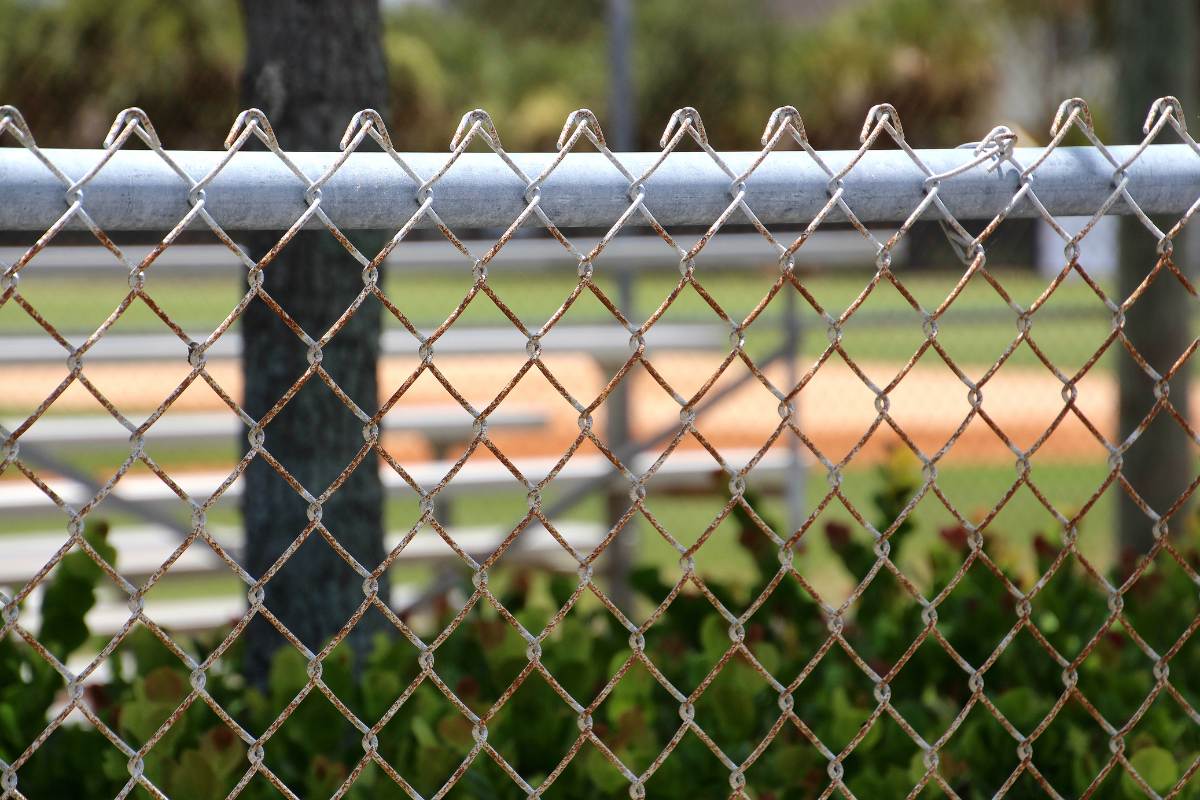
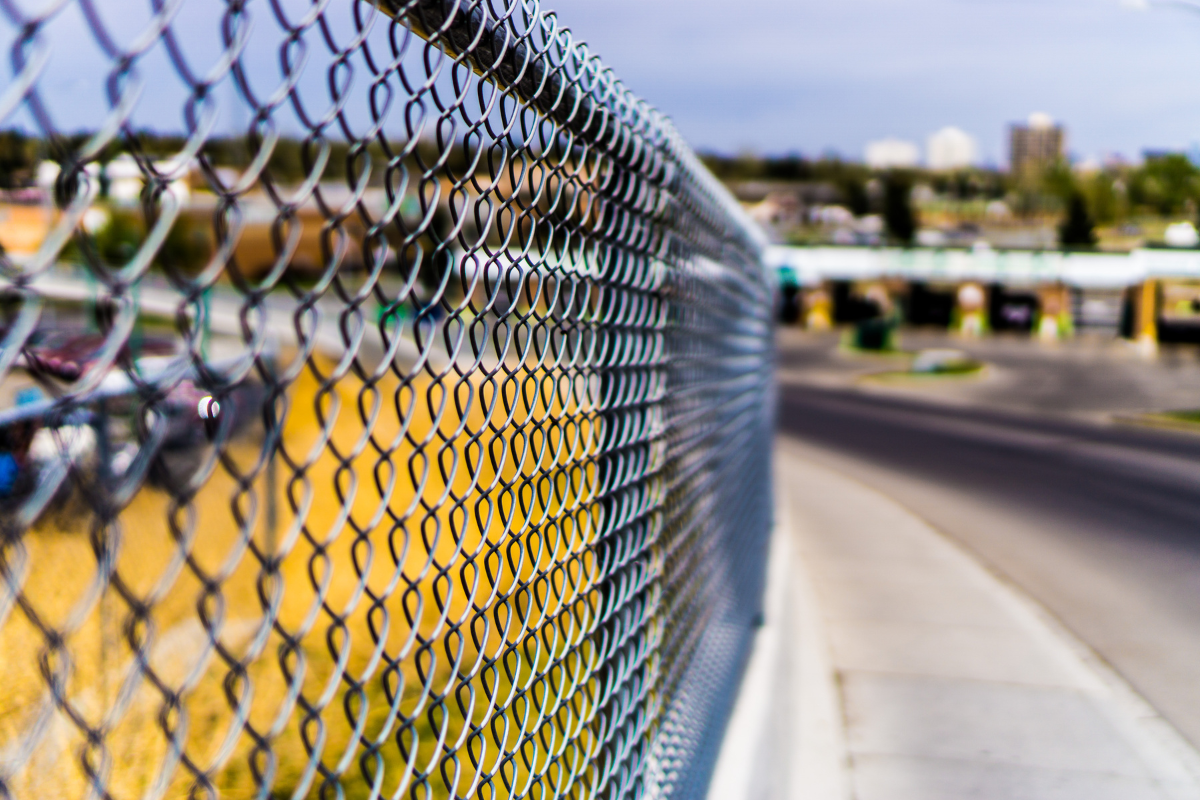
Most homeowners call a fence company because of a practical need. A dog keeps finding escape routes. The backyard feels exposed to foot traffic. A small business wants to secure a storage yard without turning it into a fortress. Chain link fencing solves those problems neatly when it is designed and installed with care. The reputation of a chain link fence company usually rises or falls not on glitzy marketing, but on whether the crew shows up, listens, and delivers a fence that looks straight, stays tight, and lasts through winters, kids, and errant lawn mowers.
I have spent years in the field bidding projects, stretching fabric, and coming back for repairs when a tree limb had other ideas. What separates a customer-focused operation with great reviews from the rest is rarely a secret. It is a long list of small, disciplined habits that turn into durable results and happy clients. Let’s walk through what to expect from a chain link fence contractor who puts the customer first, how decisions on materials and layout actually affect your daily life, and where the real cost and value live.
What “customer-focused” looks like on a job site
Anyone can say they care. You feel it when a crew leader steps onto your property with a tape measure and starts by asking how you use the space. If you have a seventy-pound retriever, post spacing, fabric gauge, and bottom gap matter more than they would for a simple garden divider. If you share a fence line with a neighbor, setbacks and property line etiquette keep the peace. A good chain link fence company earns praise by reading the room, not just reading the plan.
A reliable process has a few telltale signs. During site evaluation, they verify property boundaries and utility locates. You should see spray paint or flags marking gas, electric, and cable routes. They offer specific options with pros and cons rather than one all-purpose package, because the choices are not trivial. Galvanized fabric is rugged and economical, but a black vinyl-coated finish softens the look and resists corrosion in salty air. Line posts set at 8 feet on center save a little money, but 7 feet or 6 feet spacing keeps fabric taut in high-wind zones and on taller fences. None of that is guesswork. It is informed by code, climate, and experience.
The best contractors keep you informed during installation. Holes may hit unexpected rock, which requires different anchors or deeper footings. A slope may call for stepping panels instead of racking, to keep the top rail aligned without awkward gaps. When these pivots happen, you should hear about them immediately with a clear explanation of schedule and cost impact. That transparency is why reviews mention names of foremen and installers, not just the company brand.
Why chain link remains a smart, modern choice
Some trends come and go. Chain link fencing has held its ground because it solves for security, airflow, and cost with very little drama. The material is standardized, widely available, and predictable to install. That means dependable pricing and fewer project delays. For residential yards and light-commercial sites, the trade-offs are sensible. You sacrifice some privacy compared with wood or composite, but you gain visibility. Parents appreciate seeing kids across the yard without blind spots. Small businesses like that storage areas remain observable to staff and cameras.
Durability is the real ace. A correctly installed chain link fence resists wind because the fabric lets air pass through. Galvanized steel stands up to weather, and vinyl coatings protect against corrosion near coastlines and busy roads. Replacements often come down to gates or hardware after a decade or more, not wholesale tearing out of panels. From a maintenance perspective, you will tighten hardware occasionally and trim plant growth away from the mesh. Paint is optional on vinyl-coated systems, not a necessity to fend off rot or splitting.
For a customer-focused chain link fence company, this reliability allows honest warranties. The crew knows the line posts were set below frost depth, the top rail sleeves were seated correctly, and the fabric tension is right, not cranked so tight it bows posts or left so loose it catches a mower wheel. When a storm knocks a limb onto the fence, repair is straightforward: clip damaged fabric, preserve as many undamaged ties and wires as possible, re-tension to the nearest terminal post, and replace a post if it bent. The right choices at installation make every future fix faster, cheaper, and less disruptive.
The anatomy of a well-built chain link fence
A smooth finish starts with the ground. Posts are the skeleton. For most residential runs, 2 3/8 inch terminal posts paired with 1 5/8 inch line posts handle common heights, from 4 feet to 6 feet. Taller fences, like 8 feet around a sport court or commercial yard, call for heavier wall thickness and closer spacing. Good chain link fence installation crews set terminals in concrete and tamp the top to shed water away from the post. In clay soil, bell-shaped footings help resist frost heave. In rocky ground, a contractor might drill oversized holes and backfill with a concrete mix designed to flow around irregular rock faces.
Rails distribute load and keep the fence aligned. A top rail adds strength against kids climbing or a ladder leaning. Mid rails or bottom rails help on taller fences, but economical tension wire along the bottom often suffices. For properties with dogs, the bottom detail matters. The gap should be tight to grade. In uneven terrain, the crew can step the fence slightly or use longer fabric and a bottom rail to reduce escape paths. I have knelt beside more than one trench dug by a determined terrier and added a buried apron of fabric turned inward, a small cost that saves countless chase sessions.
The fabric itself comes in gauges, and the numbers run backward. A lower gauge number means thicker wire. Many budget quotes use 11.5 gauge galvanized fabric for residential work. If you want a sturdier fence that resists dings, 9 gauge is a noticeable upgrade. Vinyl-coated fabric often uses a 9 gauge core with a protective jacket, resulting in a fence that feels solid under hand, not tinny. Mesh size matters too. Standard 2 inch diamonds do the job for most yards. If you want to keep smaller dogs or wildlife out, 1 3/4 inch mesh tightens the opening without making the fence look heavy.
Hardware choices add up. Eye tops, tension bands, brace bands, and carriage bolts all face weather. A good chain link fence contractor will spec galvanized or stainless fasteners and avoid mixed metals that can corrode each other over time. Hinges should be adjustable. Latches should not require a contortionist routine to operate from both sides. I keep a small box of upgraded latches on the truck because a smooth latch turns a daily irritation into a non-issue.
What great reviews tend to mention
Patterns show up when you read customer feedback carefully. Scheduling gets praise when the crew arrives within the window and finishes in the promised timeframe. Communication earns stars when the estimator calls to confirm measurements and the crew https://augustzflz888.bearsfanteamshop.com/on-time-chain-link-fence-installation-by-professionals lead checks gate swing directions with you before setting posts. Neatness matters. Reviewers notice when crews string a temporary line to keep pets safe overnight or sweep the driveway for wire clippings and screws before leaving.
You also see gratitude when a company solves a problem the customer did not anticipate. On one project, a backyard grade dropped six inches over a short run. If we had followed the yard blindly, the bottom gap would have encouraged the homeowner’s hound to tunnel. We proposed a stepped bottom rail and trimmed sod to snug the fit. It added an hour, kept the price fair, and prevented a headache. That tweak became the highlight of the review.
Complaints, when they appear, are usually predictable. A post set slightly proud of the fence line becomes a mower obstacle. A gate hangs low and scrapes a paver after a freeze-thaw cycle. A sprinkler line gets nicked. The companies that hold strong ratings treat these as punch list items, not arguments. They return, adjust, and fix. If a repair is on the homeowner because of a lightning-struck tree or a landscaping change, they explain options and cost clearly, then schedule the work promptly.
Choosing between galvanized and vinyl-coated
This decision shapes both appearance and lifespan in your setting. Galvanized chain link uses zinc to protect steel from rust. It is time-tested and generally more affordable. In a dry inland climate, a galvanized system can look good for a decade or longer with minimal maintenance. Vinyl-coated chain link starts with a galvanized core and adds a polymer jacket, often black or green. The added layer fights corrosion in harsher environments and softens the look, blending into landscaping. In many neighborhoods, black vinyl-coated chain link reads as more finished and less industrial, which can help with neighbor relations or HOA approvals.
Cost differences are real, and a customer-focused chain link fence company will lay out the long view. If you are within 50 miles of the coast or near roads treated with de-icing salts, vinyl-coated components often recoup their higher upfront price by resisting rust. If you are fencing a temporary area or a rental property where appearance is less crucial, galvanized might be the budget-smart pick. There is no single right answer, just a fit for your priorities.
Gates make or break daily satisfaction
Most frustrations start at the gate, not the fence line. The swing should be smooth, the latch should be intuitive, and the opening should align with how you move through the yard. A 4 foot gate suits a person and a wheelbarrow. A 5 or 6 foot gate handles a riding mower or a small utility trailer. For tight lots, a cantilever slide gate saves swing space, but it needs room along the fence line to roll. Hinges should be sized for the gate weight, and posts need proper bracing. I have replaced many sagging gates that were hung on undersized line posts without bracing to a terminal or without adequate concrete.
For dog owners, self-closing hinges with a reliable latch reduce escapes. If children use the gate often, a latch with a guard that prevents small fingers from pinching is worth asking for. A firm rule on my crews: test gates under load. Put your weight on the top rail and swing it several times. If the latch alignment shifts or the gate drifts closed or open on its own, make adjustments before calling the job done.
The installation day, step by step
Here is what a well-run chain link fencing installation typically looks like when you watch it unfold.
- Layout and marking. The crew runs string lines to define the fence path, confirms corners, and checks for square. They mark post positions, accounting for gate widths and swing directions. Digging and setting posts. Holes are dug to depth, usually 30 to 36 inches for residential heights, deeper for tall or wind-exposed runs. Terminals go in first, aligned precisely, set in concrete, and braced as needed. Line posts fill in, with careful attention to spacing and grade. Rails and fittings. Once concrete sets enough to hold plumb, top rail sleeves connect sections. Brace bands, tension bands, and caps go on. Any tension wire or bottom rail is installed. Hanging fabric. The crew attaches fabric to a tension bar at the terminal, pulls it tight using a come-along or fence puller, and ties it off as they move along. They clip fabric to line posts and top rail with ties, spacing them correctly for height and wind. Excess fabric gets knuckled and clipped cleanly. Gates and final checks. Hinges and latches go on, then fine-tuning. The crew trims sharp edges, verifies plumb and tension, and walks the line with you for approval.
Most residential projects, 100 to 200 linear feet, finish in one to two days depending on soil and weather. Delays often come from concrete cure time. When schedules are tight, we sometimes set posts early, then return after a day or two to hang fabric and gates. A company that communicates this plan avoids surprises.
Honest pricing and where the money goes
Homeowners frequently ask how quotes can differ so much. Material grade explains a chunk of it, but labor discipline is the larger driver. Lower quotes may use wider post spacing, thinner wall posts, lighter gauge fabric, or fewer ties per section. Those changes are not obvious at a glance, yet they affect longevity. A transparent chain link fence contractor spells out specifications in writing, line by line. You should see post diameter and wall thickness, fabric gauge and mesh size, rail details, gate hardware, and whether haul-away of spoils is included.
Seasonality matters too. Spring and early summer book fast, which sometimes pushes lead times beyond a month. If your timeline is flexible, late summer and early fall can yield better availability. In some markets, off-season discounts apply, but winter work depends on frost depth and concrete handling. If a company promises the same cure time in January as in June, ask how they plan to handle cold-weather set.
With chain link fencing services, service does not end at install. Budget for small maintenance after heavy storms or when landscape changes alter grade. A good company will price repair fairly, not treat it as an afterthought. In my experience, a gate tune-up every year or two extends life more than any other small investment.
Repair that preserves, not replaces
Chain link fence repair is often surgical. A bent top rail near a driveway can be swapped by loosening a couple of sleeves and bands. A kinked fabric section from a fallen branch can be cut out and replaced with a splice that is invisible from ten feet away if you match gauge and color. Posts that lean after soil shifts usually point to a footing issue. We excavate alongside the post, straighten it with braces, and pour new concrete to collar and lock it. That avoids removing large swaths of fence.
Customers appreciate when a chain link fence company attempts repair before recommending replacement. There are limits. Rust that has traveled through a large portion of the mesh or posts, widespread leaning from poor installation, or repeated gate failures from undersized posts might justify a more thorough rebuild. The right contractor will show you the math. If three substantial repairs push you beyond half the cost of a new run, starting fresh with proper specs pays off.
Navigating codes, neighbors, and property lines
A customer-focused chain link fence contractor understands the soft skills that keep projects friendly. Permits vary by municipality. Residential fences often have height limits near front yards, with different rules for corner lots. Some areas require finished sides facing the street, which chain link satisfies neatly because both sides are similar. Utilities marking is non-negotiable, and a reputable installer will not dig before locate flags are in place.
Neighbors are part of the equation. If the fence sits on or near a shared boundary, good practice is to share a sketch and invite comments. On one duplex project, we avoided a property dispute by moving the fence three inches inside the line after reviewing deeds together. It cost a tiny sliver of yard and saved a relationship. The glowing review we earned mentioned that conversation more than the fence itself.
How to prepare your yard so the crew can work efficiently
A little prep keeps surprises to a minimum and shortens installation time.
- Clear access. Move vehicles, grills, and lawn furniture to open a path for wheelbarrows and posts. If you have narrow gates now, tell the estimator so the crew brings the right equipment. Flag personal utilities. We secure public utility locates, but you know where sprinkler lines, low-voltage lighting, and invisible dog fences live. Mark them. If you are unsure, we can probe carefully, but that takes time and can affect layout.
If you have pets, arrange a safe, separate area for them during work hours. Crews open and close gates repeatedly. Temporary barriers help, but a dedicated plan keeps stress down for everyone.
The quiet details that separate good from great
Years in the trade teach you what causes callbacks. We learned to set corner and gate posts slightly deeper and with larger footings than the bare minimum, especially where wind accelerates down side yards. We switched from budget hinges to heavier, adjustable ones after watching lighter versions drift out of alignment. We standardized on more ties per section in high-wind corridors, and we adopted a habit of checking top-rail sleeves for metal burrs that could nick vinyl coating.
We also learned to manage expectations. On steep slopes, a perfectly level top rail will leave triangular gaps at the bottom that small dogs can exploit. Racking the fabric to follow the grade reduces that gap, but only within limits. Beyond a certain slope, stepping sections keeps tension and looks better. Showing clients both options on a string line before setting posts builds trust. When the finished fence matches the picture they had in their head, reviews reflect that alignment.
When chain link outperforms other materials
Side-by-side with wood or composite, chain link often wins on lifecycle cost and function. Around gardens, the open mesh allows light and airflow, reducing mildew and keeping plants healthier. For sports areas, chain link handles ball impact without denting or splitting. For security lighting and cameras, visibility is a feature, not a bug. Even in residential settings where privacy is desired, slats and privacy screens can be added to chain link thoughtfully. They change wind load and require stronger posts and tighter spacing, which a competent chain link fence contractor will account for. Reviews dip when slats are added to a fence designed for open mesh, because wind pushes it around. The right company will warn you ahead of time and spec heavier materials accordingly.
What to expect after the crew drives away
The first week, concrete finishes curing. Do not hang heavy items from the fence or gate immediately. Walk the line after the first rain to see how water flows along the bottom. If you notice areas where soil settles and a gap opens, a quick top-up with soil can deter pets from testing it. In winter climates, watch gates after the first hard freeze. If a latch feels tighter, a minor hinge tweak usually solves it.
A year in, a well-built fence should look nearly the same as day one. Hardware will dull slightly as zinc or vinyl does its job. That is normal. Rinse coastal fences occasionally if salt spray is intense. Spray a silicone lubricant on hinges annually. If a tie pops or a wire clip loosens after violent wind, call the contractor. Quick fixes are easier when addressed early.
The value of a company that listens
Chain link fencing services are not glamorous. They are an accumulation of measured steps and quiet craftsmanship. A customer-focused chain link fence company that earns great reviews does the simple things consistently. They take the time to ask about your dog’s habits, your mower width, your camera views. They write precise specifications, then build exactly that. They show up on time, leave the site tidy, and answer the phone a year later when you need a gate adjusted.
If you are evaluating contractors, ask to see a recent job, not just a polished gallery. Stand next to a gate, swing it, and feel the latch. Sight down the top rail for a straight line. Look at the bottom detail against grade and imagine a curious dog nose. Good work withstands that scrutiny, and good companies welcome it. When you find that team, the fence does what it should: fades into the background while quietly doing its job, day after day.
Southern Prestige
Address: 120 Mardi Gras Rd, Carencro, LA 70520
Phone: (337) 322-4261
Website: https://www.southernprestigefence.com/