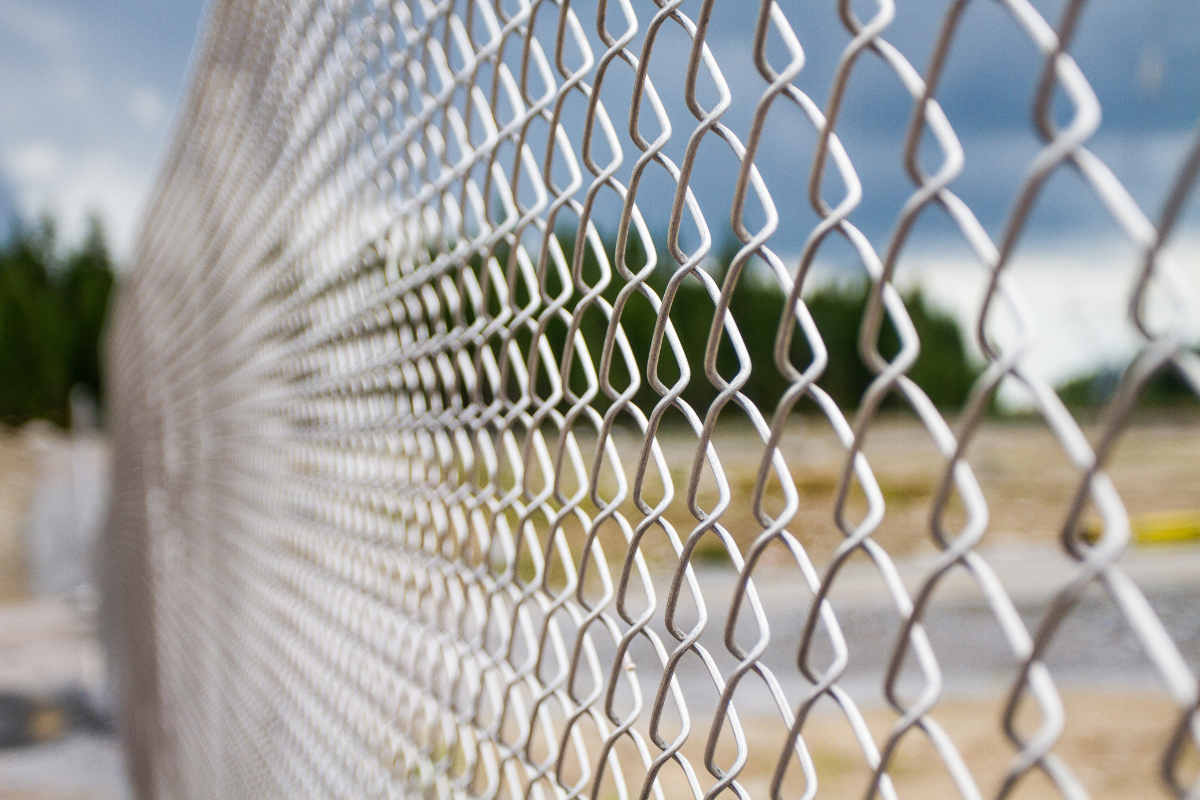
High-tensile chain link fencing sits at a sweet spot where security, longevity, and value meet. Many facilities managers and property owners start out skeptical, picturing the thin backyard fabric that sags after a few winters. That is not what we are talking about here. Properly specified and installed, a high-tensile chain link system stands rigid against climbing and impact, resists wind loads, and holds up to years of abuse. It pairs well with razor wire or barbed wire outriggers, accepts privacy slats or wind screens where needed, and integrates cleanly with gates, access control, and surveillance. The difference lives in the details: steel choice, wire diameter, mesh geometry, framework sizing, footings, tensioning method, and accessories.
What “high-tensile” really means
High-tensile does not just mean thick wire. It refers to the steel’s strength and the way the system is engineered to carry load. Standard low-carbon chain link relies on larger wire diameters for stiffness, then hopes heavy gauge alone can make up for weak posts or loose tension. High-tensile chain link uses wire drawn to a higher strength, then pairs it with heavier framework and a tensioning approach that pre-loads the fence. The fabric is less likely to deform when climbed or hit, and the whole assembly snaps back instead of rippling.
For security work, high-tensile fabric is typically 2-inch mesh with 9-gauge wire or heavier. For higher threat environments, 6-gauge or 3/8-inch mini-mesh deters toe-holds and tool attacks. Framework moves into Schedule 40 pipe or heavy roll-formed posts sized for wind and impact. Rails and braces matter as much as posts. When a system is designed as a unit, you feel it immediately: no drumhead resonance, no “give” at mid-span, clean straight lines.
Where high-tensile chain link makes sense
On job sites, I have swapped out underbuilt perimeter fences more times than I care to count. The owner may have saved a few thousand up front, then lost more than that when a panel blew down and let thieves drive onto the lot. The sites that benefit from high-tensile chain link share two traits: a need for predictable performance and a long horizon for ownership.
Airfields and logistics yards specify it because the daily cost of disruption is substantial. Utilities and data centers value it because security audits are unforgiving. Schools and parks use it to manage access without the maintenance burden of wood or the visual mass of solid walls. On coastal properties, the galvanizing and coatings stand up to salt air better than painted iron, and the system vents wind rather than catching it like a sail.
Materials that separate a strong system from a flimsy one
Start with the fabric. Commercial-grade galvanizing ranges from G60 to G90 for zinc weight, and most security jobs use aluminized or galvanized-before-weave (GBW) or galvanized-after-weave (GAW) fabric. GAW typically resists red rust longer where the wire twists cross. If color is necessary, go with fusion-bonded PVC over galvanized, not just a sprayed-on paint. The resin wrap protects the zinc and adds abrasion resistance.
The framework is where many budgets quietly fail. I have walked a new fence line and found 16-gauge tubing masquerading as posts. It looks the part for a season. When the first nor’easter rolls through, the top rail bows and terminal posts twist, and the fabric starts to ripple. For high-tensile systems, we specify Schedule 40 pipe for terminal and gate posts, and at least SS40 or equivalent for line posts and rails. If frost heave or expansive soils are in play, we increase footing diameter and depth, and we bell the bottoms. We also reinforce gate posts with longer footings and diagonal bracing. The price difference against light tubing is visible up front, but it pays back for years with fewer service calls.
Hardware completes the picture. Stainless steel or hot-dip galvanized tension bands, brace bands, and bolts hold threads and resist corrosion. Carriage bolts installed with heads inside the secure side reduce tampering. For tensioning, we prefer tension bars and bars at every terminal, with proper count of bands per height. In several high-wind regions, we also install mid-span bracing and stitch wire to lock the bottom to a tension wire, or we add a bottom rail when the design demands rigidity against animal intrusion or silt build-up.
The role of foundation and soil conditions
Chain link stands on concrete. The post hole is not an afterthought. The best chain link fencing services begin with a soil read: sandy, loamy, clay, fill, or bedrock. On sandy soils, deeper footings and sometimes a flared bottom keep posts from pump-out. In clay, we create drainage or bell the footing to resist frost lift. In fill, we over-excavate to native and backfill with compacted crushed stone before setting the pier.
A rule of thumb helps: footing depth of one-third post height above grade, minimum 30 to 36 inches in temperate zones, deeper in frost country. Diameter scales with wind load and fence height. A 10-foot fence with privacy slats in a gusty corridor needs larger footings than a 6-foot open-mesh fence tucked behind buildings. I have set 18-inch diameter footings on some coastal sites just to keep a top rail straight over time.
Security features that matter more than hype
Height still deters. Eight feet slows most opportunists, and adding three strands of barbed wire canted out reduces over-the-top attempts. For critical infrastructure, 10 or 12 feet with outriggers and either barbed wire or concertina coil is normal. Mesh size tighter than 2 inches cuts toe-holds. Bottom rails or canted bottom fabric with buried apron prevents dig-under attempts. On industrial lots where forklifts operate near the fence, we often add bollards inside corners and gates to absorb impact rather than transferring it to the posts.
Gates deserve special attention. They are the moving parts that fail first if underbuilt. A high-tensile system matched with a flimsy gate defeats the purpose. I spec welded frames with truss rods, sealed bearings for cantilever rollers, and robust latching hardware that accepts padlocks or integrates with card readers. Where operations need speed, a cantilever slide gate keeps the opening clear of snow and debris. For large clear openings, bi-parting gates balance weight and reduce post load.
Lighting, cameras, and access control turn a strong fence into a full perimeter system. Conduit planning during chain link fence installation saves tearing up concrete later. Run sleeves for power and data to gate posts and camera poles, https://manuelsnpa111.wpsuo.com/comprehensive-chain-link-fence-repair-for-damaged-sections and include junction boxes high enough to stay dry. Small steps like these separate a general fence from a security-grade perimeter.
Why a specialized chain link fence contractor earns their keep
Chain link looks simple until you try to build it at height over uneven ground while keeping consistent tension. An experienced chain link fence company brings more than labor. They carry torque wrenches and dynamometers, know how zinc behaves under heat, and understand fastener metallurgy. They have installers who can weave fabric around grade breaks without dog-ears, step rails cleanly, and hand-cut knuckles so there are no loose wires to snag. They also hold the right insurance and safety procedures for hot work when cutting or welding near coatings.
When we’re called for chain link fence repair on a damaged section, we can usually tell if the original installer used proper tension bars or just wrapped wire around a post. The latter forces a broader replacement because the fabric tears when unwrapped. Good installation practices reduce life-cycle repair cost. And when a truck knocks down a bay near a gate, a contractor with a stocked yard can replace posts and fabric the same day, keeping the perimeter secure.
The installation process, handled step by step
A quality chain link fence installation begins on paper. We confirm property lines and easements, call in utility locates, and verify setbacks. Every foot matters when you plan gate swings and clear zones for trucks or emergency vehicles. We stake post centers, mark grade breaks, and decide where to step vs rack the fence. Racking the fabric along gentle slopes maintains a clean top line. Stepping works on sharper drops if done with properly set terminal posts at each step.
Concrete goes next. We set terminals first, then brace and align them. Line posts follow with string lines pulled tight. A common mistake is to set line posts by eye and adjust with rail later. That approach builds a crooked fence that never tensions correctly. Once concrete cures to workable strength, we mount rails, bracing, and tension hardware.
Fabric installation starts at a terminal. We use a tension bar through the selvage and a come-along to pull the fabric to a measured tension. The fabric should not “thrum” like a guitar, but it should not fold under hand pressure either. We weave additional rolls into the run by unwinding a picket wire and joining the ends so the seam disappears. At bottom, a 7-gauge coated tension wire or a full bottom rail ties the system together, depending on the spec. Finally, we cap posts and secure fasteners. On taller fences, we finish with barbed wire arms, and on privacy runs we add slats after final inspection.
Coatings, corrosion, and lifespan
Weather punishes steel. The zinc layer in galvanized fabric and framework acts as a sacrificial anode. When cut or scratched, the zinc corrodes first and protects the base steel. That is why galvanized-after-weave fabric, with all cut ends dipped, tends to last longer in salty air. Aluminized coating offers a different corrosion profile, often with a smooth surface that sheds dirt nicely. PVC-coated fabric protects both zinc and steel under a resin layer. Not all PVC is equal. Look for fusion-bonded coatings roughly 10 to 12 mils thick, not thin sprayed layers that chalk and peel.
In inland, low-pollution environments, a well-built high-tensile chain link fence often runs 20 to 30 years with minimal attention. In coastal or industrial atmospheres, plan on 12 to 20 years for fabric before significant observable corrosion, with framework usually outlasting fabric if it is thick-walled and properly capped. Regular rinsing near the ocean helps more than most owners expect. After storms, a hose-down removes salt that otherwise accelerates pitting.
Privacy, wind, and the physics of slats and screens
Owners frequently request privacy slats or wind screens. They have their place, but they change the engineering. An 8-foot chain link fence with 90 percent opacity fabric behaves like a sail in gusts. Posts and footings must be sized up to handle the added pressure. If privacy is essential, I specify heavier posts, larger footings, and sometimes a mid-rail to spread the load. I also recommend spacing for visibility at corners and driveways to avoid vehicle blind spots.
There is a subtle trick with screens: in windy corridors, pick a mesh screen with 70 to 80 percent opacity rather than solid. It releases enough air to reduce peak loads without losing the privacy effect at typical viewing distances. Slats add weight but shed wind better than continuous fabric. They also change the fence’s sound profile, reducing whistling that tight screens can produce.
Cost, value, and what drives the number
Price in this field is less mysterious than it appears. Material cost is the big lever, followed by labor and site conditions. For a commercial-grade 8-foot high-tensile chain link fence with Schedule 40 terminals, robust line posts, and 9-gauge fabric, expect a base price that reflects steel markets, which can swing 10 to 20 percent over a year. Add-ons stack: barbed wire outriggers, bottom rail, privacy slats, and access control each move the total.
Labor shifts with terrain and access. A straight, level run across an open yard installs faster than a fence weaving around trees, boulders, and utilities. Night work, security badging for crews, and restricted staging areas add complexity. When comparing chain link fencing services, request a breakout that shows framework spec, fabric gauge, mesh size, post spacing, footing dimensions, coating type, and hardware grade. Apples to apples comparisons save headaches later.
Maintenance that keeps the fence at peak strength
Chain link is forgiving, but neglect shows up in small ways first. I recommend a semiannual walk with a focused checklist.
- Sight along the top rail for waves or dips, check for loosened brace bands, and confirm ties are intact at rails and tension wires. Test gates for sag and smooth roll or swing, lubricate hinges and rollers, and verify latches close under their own weight without slamming.
This level of attention prevents minor issues from snowballing. When a top rail sleeve backs off or a tension band loosens, the fabric begins to move and the system loses pre-load. A 20-minute fix today avoids a mid-span rebuild next season. For coastal sites, a freshwater rinse after major storms slows corrosion. For yards with heavy equipment, keep machines at least a tire’s width off the fence line and install wheel stops near corners. It is cheaper to replace a wheel stop than to reset a gate post.
Repair strategies that respect the original build
When damage occurs, the best chain link fence repair follows the original logic. We cut out bent fabric one diamond wider than the damaged area and weave in a new section rather than lapping over and hog-ringing it. We replace kinked rails with sleeved joints oriented away from the secure side. Posts that have shifted get dug out and reset, not just pulled upright and shimmed. If the fence has PVC-coated fabric, we stock color-matched materials to avoid a patchwork look. In high security perimeters, we use tamper-evident seals on replaced hardware and document the repair for audit trails.
Sometimes a repair is an opportunity for an upgrade. If a run frequently collects wind-blown debris that drapes the bottom fabric, we may recommend switching to a bottom rail. If animals are tunneling, we can add a buried apron of fabric extending a foot or two into the secure side. When repeated gate impacts occur, we add a ground track or guide post to absorb lateral forces.
Common mistakes and how to avoid them
Three errors appear again and again on projects we are called to fix. First, under-sizing the framework to save cost, especially when privacy slats are planned later. Wind does not care what the bid said. Second, ignoring grade transitions, then forcing fabric to rack beyond its geometry, which creates puckers and stress points. Proper stepping or terracing terminal posts solves this. Third, sloppy tensioning. Fabric that is too loose invites climbing. Too tight, and the wire necks at knuckles and fails early. Using a tension meter and checking band torque solves that.
There is a fourth sin, more subtle: mixing incompatible metals. Zinc and aluminum coatings generally play well, but stainless fasteners biting into light-gauge galvanized without proper washers can set up galvanic cells in wet environments. Matching metals and using isolators where needed pays off over years.
Choosing the right partner for the job
Not every chain link fence contractor specializes in high-tensile security systems. When you evaluate chain link fencing services, ask about past projects at the same height and exposure. Request references, not just photos. Inquire about how they handle access control integration, how they size footings for wind with slats, and what hardware grade they stock. A contractor who speaks comfortably about mesh sizes, tension methods, and coating systems will usually build clean, straight lines and stand behind them.
If you have a multi-phase site, pick a chain link fence company that can mobilize quickly for temporary hardening as well as final work. The ability to install a temporary barrier overnight after a breach, then roll into a permanent repair without re-engineering, is valuable. Ask about inventory. Crews that keep posts, rails, and fabric on hand avoid supply delays that strand a site half-secure.
Real-world examples from the field
At a municipal yard bordering a river, the client wanted privacy and sound reduction. We priced slats and screens, then modeled wind for the prevailing gusts that funnel along the water. The final design used 8-foot high-tensile fabric with 80 percent opacity screens, a mid-rail, and larger footings at 10-foot spacing. We added a bottom rail along the first 60 feet where winter debris piled up. Five winters later, the fence is still straight, and the maintenance team rinses the screen each spring.
A different project involved a data center with tight setbacks and heavy truck traffic. The fence ran within three feet of a loading lane. Rather than build a hard line that would be struck, we set a line of steel bollards inside the fence at key corners, then spec’d cantilever gates with sealed bearings rated for daily cycles. The access control vendor had conduit ready because we coordinated sleeves before concrete. The operations team never had to cut a single slab to add a keypad.
We have also replaced bargain-bin tubing fences at schools where students found the weak spots in days. The new high-tensile system used mini-mesh fabric at 1-inch diamonds to reduce footholds. We added a flush bottom rail to keep balls and bottles inside the field. The principal reported a noticeable drop in fence-related incidents, and the maintenance crew stopped ordering replacement ties every month.
When chain link is not the answer
For fairness, there are cases where chain link is the wrong tool. Animal containment for large predators may require welded wire panels or solid walls. Sites needing true blast mitigation or ballistic resistance must look to concrete or engineered steel barriers. High-end residential estates sometimes favor masonry or ornamental iron for aesthetics. In those cases, chain link might still serve as a discreet inner perimeter behind landscaping, where performance matters more than appearance.
Bringing it all together
High-tensile chain link fencing is not glamorous, but it is honest. Done right, it stands straight through storms, shrugs off daily abuse, and offers a clear message at the property line. The keys are straightforward: specify strong materials that match the environment, build on solid footings, tension correctly, and integrate gates and security components with forethought. Then maintain with light but regular attention.
If you are weighing options, talk to a chain link fence contractor who can show you a five-year-old installation and walk you along the line. Look for tight fabric, straight rails, and hardware without rust blooms. Ask about how they handle chain link fence repair when a vehicle hits a post or when a stretch needs to be raised for new requirements. A reputable chain link fence company will answer plainly and set realistic timelines and costs.
Security is a chain of linked decisions. When each link is strong, the result is dependable. High-tensile chain link gives you that reliability, measured not in marketing claims but in fences that keep doing their job day after day, year after year.
Southern Prestige
Address: 120 Mardi Gras Rd, Carencro, LA 70520
Phone: (337) 322-4261
Website: https://www.southernprestigefence.com/