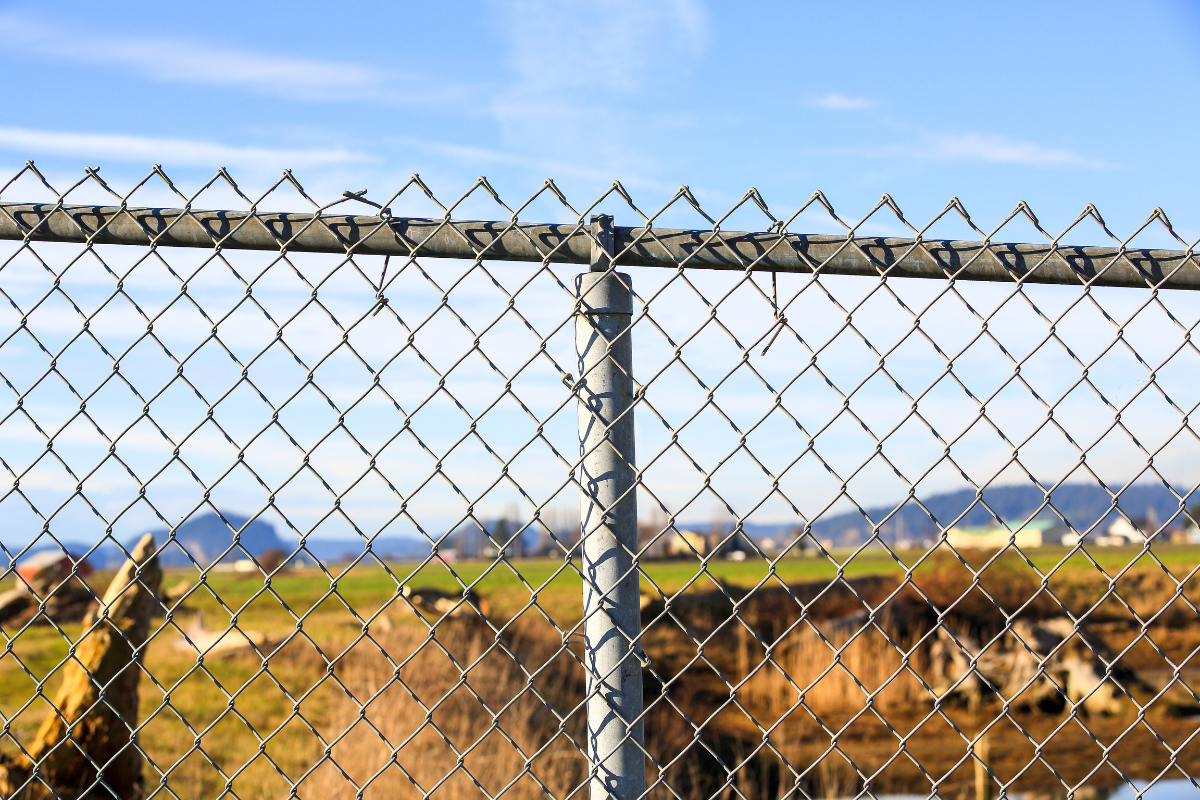
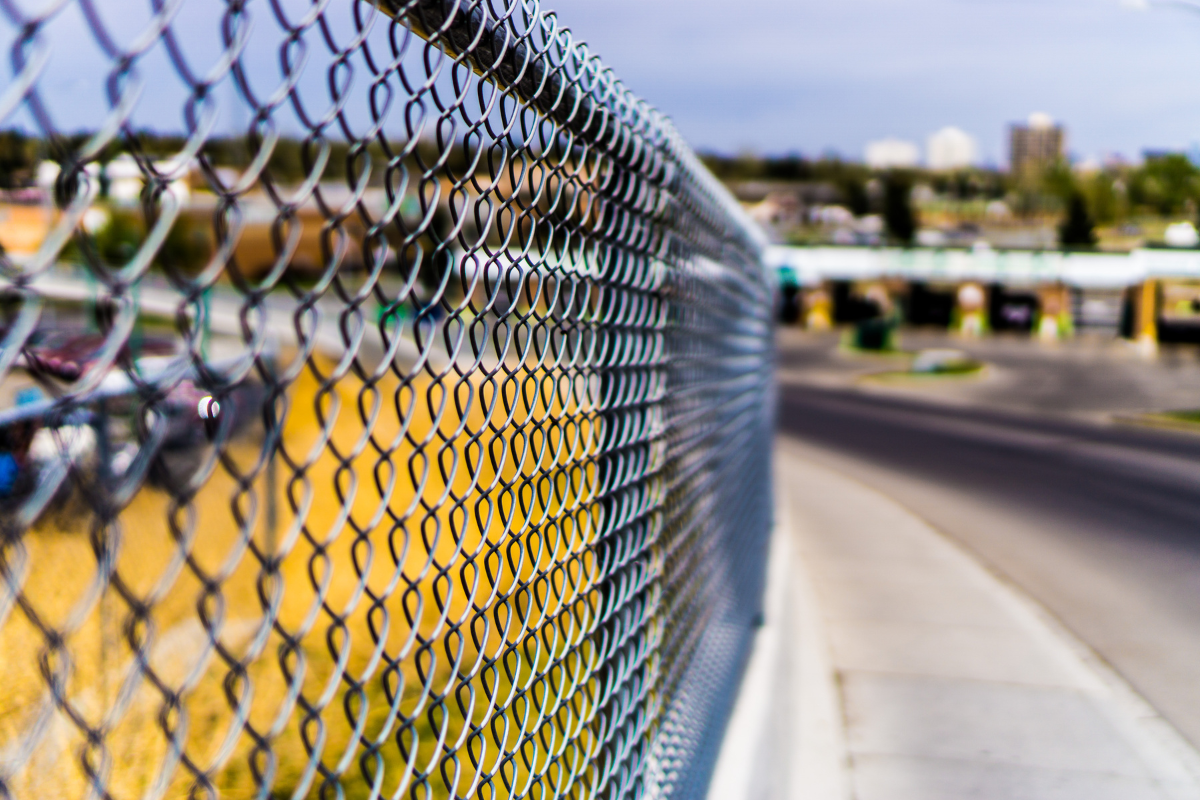
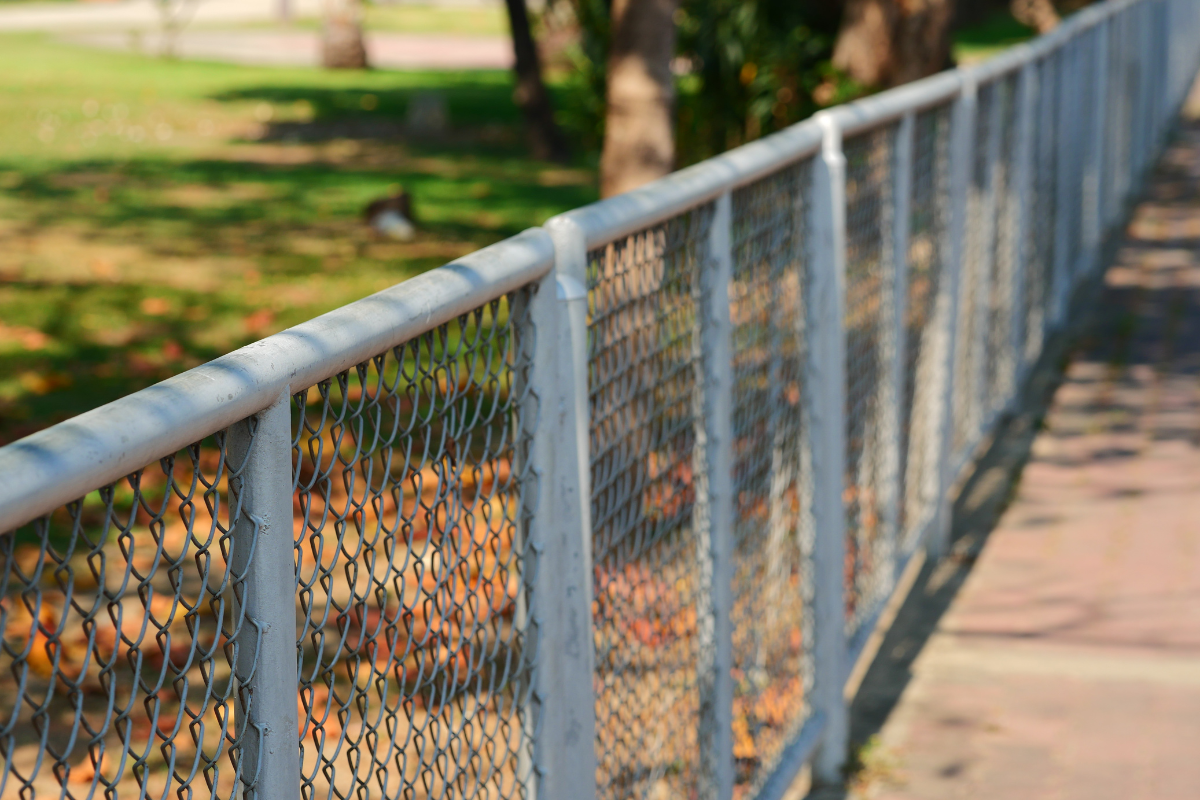
Chain link fencing used to carry a purely utilitarian reputation, the kind of barrier you put around a ballfield or a substation. Walk through newer residential neighborhoods, though, and you will spot a different story. Thin-gauge, powder-coated mesh in deep black, clean top rails, privacy slats with subtle texture, and gates that swing on precision hinges. When done thoughtfully, a chain link fence can look sharp, feel solid, and perform for decades with little fuss. It protects kids and pets, frames the landscape, and sets an honest boundary without trying to mimic wood or stone.
I have installed and repaired miles of it across a range of budgets. The material has range. It can look airy and light around a small urban yard, or robust and private along a larger suburban lot. The trick is in the details, from fabric gauge to post spacing to surface prep. If you are sizing up chain link fencing services for a modern home, here is how to get the security you want and the clean lines you expect, without overbuilding or overspending.
What gives chain link its strength and value
A chain link fence carries loads differently than a board fence. Instead of relying on continuous panels, it distributes wind and impact through a woven steel fabric stretched between posts. The fabric is measured by gauge and mesh size. Common residential gauges run from 9 to 12. A lower number means thicker wire. Mesh size is typically 2 inches, which balances transparency with strength. Lighter 11 or 11.5 gauge suits shorter interior runs and dog areas; 9 gauge feels substantial, takes a hit from a tree limb without crumpling, and lasts longer under tension.
Coating matters just as much as gauge. Galvanized fabric and framework are standard and hold up well in dry or inland climates. Near salt or heavy industrial exposure, the zinc layer works faster, which is why vinyl-coated fabric has moved from upscale option to smart baseline. The vinyl sheath resists corrosion, softens the look, and reduces glare. Black, dark green, and brown are the common colors. Black reads sleek against almost any architecture, while green tends to disappear against vegetation.
Framework defines longevity. Posts and rails are typically made from schedule 20 or 40 pipe, roll-formed tubing, or higher-spec structural pipe in demanding runs. Schedule 40 outlasts lighter tubing by a wide margin, especially at gates where torque concentrates. You can save money by mixing, for example, schedule 40 for terminal posts and gate frames, lighter wall thickness for line posts and top rails. Smart chain link fence contractors will guide you through this kind of hybrid approach that keeps a clean aesthetic and meets loads without inflating costs.
Tie wires, tension bars, and fittings are the smallest parts and often the first to rust if quality is low. Upgrading to galvanized or stainless steel ties at gates, plus coated tension wire at the base, extends service life and tightens the look. These are small line items that pay back over years.
Aesthetic choices that make the fence feel modern
The geometry of chain link already leans contemporary. The wrong finish, sloppy tension, or awkward transitions will break the spell. A few design choices consistently elevate the result.
Use a black vinyl-coated fabric with matching black powder-coated framework. The uniform color doesn’t just hide the fence when you want it to recede, it also unifies the posts, rails, and mesh so the fence reads as a single, intentional element. Tight fabric makes a big difference too. When the mesh is correctly stretched, diamonds align and stay plumb. That line holds through winter frost and summer heat, which keeps the fence looking new.
Top rail is another point of refinement. A continuous top rail creates a precise line. For a slimmer profile, replace the top rail with a tension cable on short, sheltered runs. The cable option reduces visual mass, though it sacrifices a bit of rigidity. I use it on garden enclosures or hidden side yards, not along the main frontage.
Privacy slats and screens deserve careful thought. If you need privacy but want to avoid a heavy, opaque wall, choose slender, flat slats in a darker shade that sits one tone off your fabric color. The slight contrast adds texture without shouting. Woven privacy screens can look too industrial if the mesh is light or the posts are widely spaced, because wind load increases. When clients insist on a screen, I upsize the terminal posts and add additional bracing. Better yet, consider a 3- or 4-foot-high fence in front and reserve full-height privacy sections for backyard zones where you actually sit and gather.
Gate design is the biggest visual cue. A standard fork latch and rattly chain give the game away. Opt for welded gate frames with square corners, adjustable sealed-bearing hinges, and a keyed or magnetic latch. I often set gate posts one size heavier than the line to stiffen the opening. That one choice makes the gate close with a dignified thud instead of a clang.
Where chain link beats other residential options
I like wood for warmth, aluminum for delicate lines, and steel for permanence. They all have places where they shine. Chain link wins on three axes that matter in real life: cost to secure long linear runs, durability with minimal maintenance, and adaptability to grade changes and odd shapes.
Cost first. A typical 4-foot black vinyl-coated chain link run with mid-grade posts lands far below a comparable aluminum ornamental fence and often 20 to 40 percent less than a solid wood build once you count posts, concrete, and finishing. If you have 200 linear feet to enclose, that spread piles up. Where budgets stretch thin, I often start with chain link on the side and back property lines, then allocate saved dollars for an upgraded front elevation. Done right, no one notices the shift.
Durability is next. Wood fences look gorgeous on day one, then weather, warp, and crack. They need stain or paint. An aluminum fence looks great for years but can dent and does not provide containment for small pets without add-ons. Chain link shrugs off kids, dogs, soccer balls, sprinkler overspray, and mower debris. The wire flexes and rebounds. With proper footings and tension, it stays straight through freeze-thaw cycles.
Adaptability seals it. Chain link follows grade gracefully. You can step or rack the fabric over uneven ground without awkward triangular gaps that invite escapes. If the yard snakes around a garden bed or a tree that you want to keep, fabric can wrap that radius with small changes to post spacing. A skilled chain link fence company can make these transitions look intentional rather than improvised.
The choices that affect price and performance
A chain link fence looks simple. It isn’t, at least not if you want it to last. The bid you get from a chain link fence contractor reflects a sequence of choices that control both longevity and visual quality.
Height sets the tone. A 4-foot fence in the front yard can mark a boundary and corral toddlers without feeling defensive. In the back, 5 or 6 feet stops most dogs and discourages casual climb-overs. Anything taller leans commercial and triggers stricter permitting in many municipalities. If you plan privacy slats, remember that higher fences catch more wind. Upsize posts accordingly.
Footings matter more than most people think. I have pulled out fences that failed at year five even though the fabric looked fine. The culprit was shallow posts set in skimpy concrete. For residential work, I target holes roughly three times the post diameter and 24 to 36 inches deep, sometimes more where frost lines demand it. Soil dictates specifics. Sandy ground needs wider bells, clays benefit from gravel at the base to drain water away from the post.
Post spacing controls fabric tension over time. Stretched too far, the mesh will belly between posts after a few seasons. I prefer 8-foot spacing for most 4- to 5-foot fences, shorter in windy corridors. Tension bars on both ends of each section distribute load evenly, and brace bands keep that load on the post instead of the fittings.
Hardware optimization is the quiet difference between a budget fence and a sharp one. Stainless steel nuts and bolts at gates, powder-coated fittings to match color, and heavy-duty caps that won’t chalk or yellow put you on a different plane. These parts cost a bit more upfront, yet they prevent the rust streaks and chalky spots that make a fence look tired.
Finally, transition details. If your fence meets a house wall, a tree, or a masonry pillar, there are clean ways and messy ways to make that happen. For masonry, drill and set a gate-style receiver or sleeve with epoxy-rated anchors. For trees, I avoid direct https://kylerpibr809.bearsfanteamshop.com/chain-link-fencing-services-for-warehouse-and-industrial-sites fastening. Instead, I set offset posts and add a removable fabric panel with quick ties. That protects the tree and allows adjustments as the trunk grows.
A homeowner’s walk-through of chain link fence installation
Good chain link fence installation feels like choreography: measured moves in a specific order. Here is how most projects flow, and where your attention helps.
A site survey starts the job. The crew marks utilities, confirms property lines, and checks setbacks. If the town requires a permit, the chain link fence company often handles paperwork, but the homeowner signs the application and provides a plot plan. Doing this early prevents a nuisance stop-order later.
Layout follows. We run a taut mason’s line along the proposed fence path and mark post locations with paint. This is when to make small adjustments for tree roots, sprinkler heads, or curved beds. I recommend walking the line with the installer. Fresh eyes catch awkward gates or sightlines.
Auger work and posts come next. Holes go in, soil types dictate depth, and concrete is mixed to a firm slump. Posts set plumb, then align with the string. On hot days, concrete can skin over fast, so the crew adjusts timing to keep everything true. Don’t be surprised if they brace gate posts with temporary lumber while the concrete cures.
Framework assembly happens after the posts set enough to hold tension. Top rails connect with swaged ends or couplers. I prefer swaged pipe for a cleaner look and less play at the joints. Tension wire along the bottom keeps animals from pushing under and maintains fabric line over humps and dips.
Fabric stretching is the make-or-break moment. The mesh is unrolled and attached to a tension bar at one end, then a come-along and stretcher bar pull it tight along the run. This is where experience shows. Too little pull and you’ll see sag in a month. Too much and the mesh distorts. Once set, we tie fabric to posts with coated ties, three or four per post height, and clip it to the top rail every couple feet.
Gates and latches go in last. The crew adjusts hinges so the gate swings true and closes with a firm latch. On sloped ground, I sometimes hang gates a hair higher on the hinge side to give clearance, then trim the bottom of the gate with a neat panel to maintain the sightline. A light bead of lubricant on hinge pins helps prevent squeaks.
Cleanup should not be an afterthought. Good installers rake leftover concrete crumbs, sweep up wire trimmings, and remove the inevitable pile of dirt from the auger. A five-minute walkthrough with you to test gates, inspect lines, and note any sharp edges or protruding ties sets the standard for the final product.
Smart upgrades for security and privacy
Security does not have to fight aesthetics. A few targeted additions boost performance without turning your yard into a compound. Heavier terminal posts and additional bracing at corners stop pull forces. Where climb resistance matters, a bottom rail or well-tensioned bottom wire removes footholds. For pet owners, bury a shallow apron of fabric or install a narrow concrete mow strip along the base to block digging.
Privacy can be layered. Slats reduce sightlines, but planting does the rest. I have seen modest chain link fences disappear behind a staggered row of switchgrass or a mixture of inkberry holly and hydrangea. The fence gives structure; the plants soften it. If you want instant screening, mount cedar or composite fencing panels to a short section of chain link posts near a seating area, then transition back to mesh around the perimeter. With planning, that shift feels intentional, not piecemeal.
Lighting and access control polish the experience. A low-voltage bollard near a gate, a photocell-triggered light over a side entrance, and a weatherproof keypad for the back gate change how you use the yard at dusk. These are small flourishes that make the fence part of how you live rather than just a boundary.
When and how to handle chain link fence repair
Even a well-built fence takes hits. A fallen limb can bow the mesh. A delivery truck might crease a gate. Thankfully, most chain link fence repair can be surgical and cost effective.
If a small section of fabric is damaged, a contractor can cut out a few diamonds, splice in new mesh, and weave the seam with a single strand. Done right, the repair disappears from ten feet away. Posts that lean can often be reset if the concrete footing remains intact. We loosen the rails, plumb the post, and brace it while fresh concrete bonds it in place. If the footing has shattered, replacing the post is the only proper fix.
Gates demand attention because they get daily use. Sag usually comes from hinge wear or loose hardware, not frame failure. Upgrading hinges and adding a diagonal tension rod across the gate restores alignment. If you hear a metallic rattle, it usually means the latch is catching on the keeper edge. A minor shim or latch adjustment cures it.
Corrosion repairs depend on coating type. On galvanized fences, superficial white rust wipes off with a scouring pad, then a cold galvanizing compound seals the area. For vinyl-coated systems, a nick that exposes steel should be sealed quickly to prevent rust travel under the coating. Touch-up paints exist in standard colors, though perfect color match varies by manufacturer and age. On black systems, the blends are forgiving.
Working with chain link fencing services you can trust
A fence lives with you for a long time, so the company that builds it should feel like a partner. Portfolios tell you far more than slogans. Ask to see a recent black vinyl-coated install around a home similar to yours. Look for straight top lines, tight fabric, square gates, and thoughtful transitions around utilities and plantings. References should include projects that are at least two winters old. A fence that still looks crisp after two freeze-thaw cycles reflects proper footings and tension.
Estimates should break down materials by gauge, post wall thickness, coating type, and hardware. If the bid only lists total linear feet and a lump sum, ask for more detail. A professional chain link fence contractor will not hesitate to specify, for example, 2 3/8 inch schedule 40 terminals, 1 5/8 inch top rails, 2 inch 9-gauge black vinyl-coated fabric, and stainless gate hardware. Clarity protects both parties.
Timelines vary by season. In spring and early summer, the lead time can stretch to four to six weeks because ground conditions finally allow digging and everyone rushes to get on the schedule. If you plan ahead and reserve a fall slot, you might see quicker turns and often better pricing. Frozen ground complicates footings, but in many regions crews can still work into early winter with additives in concrete and careful soil management.
Permits and HOA approvals can be straightforward or maddening. Your chain link fence company should provide drawings and product sheets that satisfy review boards. Height, setback, and color typically draw the most scrutiny. Black fabric and framework often pass easily, as they present a low visual impact. Be ready with a simple site plan that marks property lines, fence runs, and gate locations.
Care, cleaning, and the slow-burn payoff
One of the quiet benefits of chain link is how little it asks from you after installation. Once a season, walk the line and look for loose ties, leaning posts, or signs of digging. A bucket of soapy water and a soft brush will remove pollen and road dust, keeping the fence dark and uniform. If trees overhang the fence, prune branches that could rub the fabric or load it with ice in winter. Keep irrigation heads pointed away from the fence where possible. Constant wetting accelerates wear in certain soils, especially where water carries dissolved salts.
Expect a vinyl-coated residential fence to give you 20 to 30 years of service in a typical inland climate, longer if hardware is stainless and posts are heavy wall. Galvanized-only systems often land in the 15 to 25 year range depending on exposure. Repairs along the way usually involve a gate tune-up or a short fabric splice, not wholesale replacement. That is the slow-burn payoff: you spend once, get your yard back, and the fence simply does its job in the background.
Real-world examples and edge cases
A tight urban lot with a 20-foot frontage and a small backyard benefits from a 4-foot black chain link along the front with a narrow pedestrian gate. In the back, stepping up to 5 feet contains a terrier and discourages casual entry. The owner wanted greenery, so we planted Boston ivy along a trellis panel set 6 inches inside the fence line. The ivy never touches the mesh, which prevents rust or deformation. From the street, the front fence disappears behind planters, yet it still deters bikes from rolling across the lawn.
On a sloped corner lot, the wind comes hard in the afternoon. The client asked for privacy screen fabric on a 6-foot fence. We upsized the terminal posts to 2 7/8 inches schedule 40, added bracing, and reduced spacing between line posts to 6 feet for the first 60 feet where wind is worst. Two years in, the line remains straight. Without those changes, we would be back to reset posts each spring.
A lakefront home faced corrosive exposure. We specified black vinyl-coated 9-gauge fabric with powder-coated fittings and hot-dipped galvanized, then powder-coated, schedule 40 terminals. Gate hardware was stainless. Cost rose about 15 percent compared to a standard inland build. After five seasons of lake air and winter splashback, the fence still looks fresh. The owners hose it down in spring and call it done.
Occasionally, a modern home demands a stronger design gesture. We have integrated chain link panels within steel frames set between cedar posts. The hybrid gives a tailored face to the street and the performance of mesh where function rules. If a soccer ball smacks the panel, nothing breaks. If a board ages out in ten years, the frame stays and only the wood changes.
How to brief a contractor and set the project up for success
Clarity upfront saves change orders and headaches. Here is a short checklist to bring into your first meeting with a chain link fence company.
- A marked site plan with desired fence lines, gate locations, and notes on heights by section. A simple inspiration photo that shows color and finish preferences, ideally black or green vinyl-coated examples you like. A list of use cases: pets and their sizes, kids’ play areas, secure storage, or garden zones that need extra caution. Known underground items: irrigation, lighting runs, drains, or shallow utilities the locator might miss. Any HOA or municipal guidelines you already have in hand, especially on heights and setbacks.
With this brief, a good contractor will propose material gauges, post specs, and hardware matched to your goals instead of pushing a one-size package. You will also get apples-to-apples bids if you speak with more than one chain link fence contractor.
The bottom line for modern homes
Chain link fencing has earned its spot in contemporary residential design by combining quiet lines with honest strength. It keeps kids and pets safe, it marks a border without pretense, and it weathers sun, rain, frost, and the chaos of family life with barely a complaint. If you choose proper gauges, match finish and hardware, and work with a detail-minded installer, the fence will look sleek on day one and honest on day three thousand.
When you consider the total cost of ownership, chain link’s value stretches beyond the lower initial price. Repairs are modest, maintenance is light, and upgrades are surgical if your needs change. Whether you are replacing a tired wood fence or starting fresh on a new build, involve a chain link fence company early, ask for specifics, and hold the line on details that matter. You will end up with a fence that performs quietly and looks at home beside modern architecture, clean landscaping, and the daily routine that makes a house yours.
Southern Prestige
Address: 120 Mardi Gras Rd, Carencro, LA 70520
Phone: (337) 322-4261
Website: https://www.southernprestigefence.com/