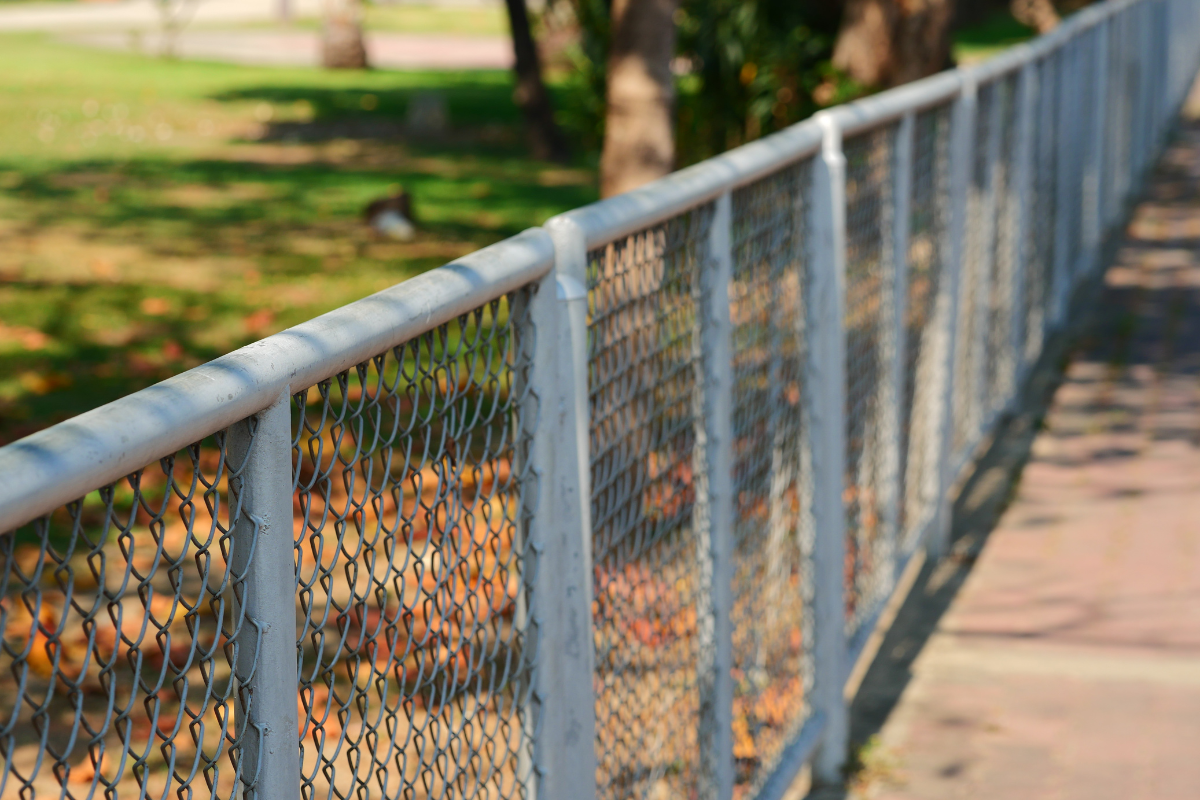
Chain link fencing earns its keep by doing simple things reliably. It marks boundaries, keeps pets in and trespassers out, and stands up to kids, weather, and the occasional runaway wheelbarrow. The surprise for many property owners is that a chain link fence can be installed well any month of the year, not just in spring when the phones light up. With the right methods and a prepared crew, year-round chain link fence installation saves time, controls costs, and avoids the scheduling bottlenecks that make projects drag.
I have installed and repaired miles of chain link for homes, schools, distribution yards, and ballfields. The good jobs share a few traits: realistic expectations, attention to soil and frost, and a chain link fence contractor who anticipates weak links before they become callbacks. This guide lays out how to approach chain link fence installation and chain link fence repair in every season, what to expect from a seasoned chain link fence company, and how to avoid the shortcuts that look fine on day one but fail by year three.
Why chain link thrives in four seasons
Chain link fencing is fundamentally a tensioned system. Unlike rigid panels, it relies on properly set terminal posts, consistent fabric stretch, and strong ties. Done right, it flexes instead of snapping, sheds wind instead of catching it, and drains water instead of holding it. Those qualities make it a practical fit across a wide temperature range. The galvanizing resists corrosion, the mesh allows snow to fall through rather than load up, and the components are adaptable: you can swap fittings for coated ones in coastal zones, add bottom rail for pets, or stretch privacy slats where screening is needed.
Climate still matters. In frost zones, you need deeper footings than you would in a mild region. In arid areas, soil collapses differently, and post holes may need sleeving or wider bells. Hot sun expands fabric; cold snaps contract it. None of this is a deal-breaker. It simply changes the sequence and the details, which is where a competent chain link fence contractor earns his keep.
Scheduling smart: why off-season work pays
Spring is when everyone remembers their fence. Crews get booked, suppliers run low on common heights, and prices creep up. Off-season work, especially late fall and winter, has advantages. Material lead times shorten, and your preferred chain link fence company can keep its A‑team on your job instead of juggling emergencies. On commercial sites, off-season mobilization can reduce conflicts with landscaping, paving, or heavy equipment.
There are limits. In northern regions, there are days when soil is locked up like concrete and the air hurts your face. The key is planning for windows. Many winters offer workable stretches between storms. A prepared crew can drill, set, and cure concrete in those windows using cold-weather techniques. On larger projects, we often stage materials and pre-build gates, then move quickly when the weather breaks.
Ground truth: soil, frost, and footings that last
Post setting is the foundation of chain link fence installation, and most long-term failures trace back to corners cut underground. Soil type and frost depth dictate how deep and wide to set. As a rule of thumb, line post holes go 24 to 36 inches deep depending on fence height, terminal posts deeper, and in frost regions pot holes extend below the local frost line to avoid heaving. In very sandy soils, bell the base wider than the top to create a footing that resists uplift. In clay, add drainage gravel at the bottom to reduce frost lensing and water pressure.
Concrete mix and cure times need attention. In hot months, concrete can flash set, trapping air and water; in cold months, it can stall and remain weak for days. A winter pour doesn’t fail if you treat it like winter. Use a slightly higher cement content bag mix, keep water additions minimal, and tent or insulate the top of the footing with thermal blankets. If daytime highs stay below freezing, switch to cold-weather additives and plan for a longer cure before tensioning. The cost for a few blankets and an extra day is trivial compared to jackhammering a wobbly terminal post out of frozen ground.
I once returned to a site where a corner post heaved two inches after a hard freeze. The crew before us had dug shallow and backfilled with the native, saturated clay. We reset that corner with a deeper bell, added six inches of clean stone at the bottom, poured 4,000 PSI mix, and covered the footing for 48 hours. That corner is still plumb.
The winter playbook: how to install when it is cold
Cold weather complicates tasks that seem automatic in July. Fingers numb, fittings stiffen, fabric contracts, and concrete cures slowly. A practical winter playbook looks like this:
- Prep the site the day before a storm window. Mark lines, clear snow where holes will go, drop materials close to those lines to avoid post-storm hauling. Drill holes with a power auger when the frost is shallow, or pre-cut the frost cap with a breaker. In deeper frost, use a skid steer with a rock head, then clean the hole walls to avoid glazing. Keep dry materials dry. Stack bags of concrete on pallets under a tarp. Moisture plus freeze equals ruined bags and inconsistent mix. Warm hardware and wire ties in a van or heated box. Cold ties snap when twisted; warm ties seat and hold. Stretch fabric during the warmest part of the day. The tension you set at noon will be different at dusk if the temperature drops 20 degrees. Leave a touch of relief in a deep cold snap to avoid over-tensioning the system.
That last point matters. Chain link expands and contracts with temperature. A fence tensioned to guitar-string tightness at 10 degrees can sag in a July heatwave, and the opposite is also true. Proper practice sets even, firm tension without chasing perfection at an extreme temperature.
Summer and heat: different risks, same solutions
Hot weather turns a yard into a radiant pan. Concrete sets faster, galvanized surfaces are hard on bare hands, and fabric becomes more pliable and seems to stretch forever. The pitfalls are mirror images of winter. Instead of slow cures, you get rapid ones. Instead of contraction, you get expansion. Shade, hydration, and pacing solve most of it. Mix concrete in small batches to control consistency, mist the hole walls if the soil is bone-dry so the ground doesn’t pull water out of the mix, and check plumb while the footing is still plastic.
On commercial sites with long straight runs, heat can make fabric behave like a rubber band. Rather than tension a 300-foot pull in one go, break it into manageable bays using temporary come-alongs at line posts, then stitch the bays together. That approach keeps tension uniform and avoids overstressing the terminal posts.
Material choices that matter more than marketing
A chain link fence is a system of components: fabric, framework, fittings, and footings. Marketing tends to focus on mesh height and gauge, but the unsung parts make the difference between a fence that drifts and one that stays true.
- Fabric. For most residential jobs, 11 or 9 gauge fabric with a 2-inch mesh is standard. Heavier 6 gauge or 1-inch mesh appears in high-security or sports contexts. In coastal or chemically aggressive environments, specify aluminized or PVC-coated fabric with matching coated ties. The coating is not just for looks, it slows corrosion where ties and fabric rub. Framework. Terminal posts carry load, line posts keep alignment, and rail adds rigidity. Thicker wall pipes, even one step up from the minimum, pay off in straightness and gate alignment. A 1-5/8 inch top rail is common for residential 4 to 6 foot fences, but stepping to 1-7/8 on longer runs reduces chatter in the wind. Fittings and ties. These are the small parts that crews handle by the hundred. Good fittings fit tight, threads are clean, and galvanizing is even. Simple as it sounds, I specify extra ties at the bottom third of the fabric in areas with dogs. It prevents the classic dog push-out and saves one service call a month. Gates. The gate is the part you touch twice a day. That makes it the first to reveal sloppy work. Hinge spacing, latch alignment, diagonal bracing, and wheel selection decide whether you love it or curse it. A 12-foot double swing across a gravel drive benefits from adjustable hinges and center stops that anchor cleanly to the surface you actually have, not the surface the plan imagined.
Privacy add-ons and wind: balance, not brute force
Privacy slats and windscreens look simple. Slide slats into the https://trentonmryp608.image-perth.org/customer-focused-chain-link-fence-company-with-great-reviews mesh, zip-tie a screen to the fence, enjoy the view. The reality is that slats and screens add sail area. A chain link fence designed for wind to pass through now has to resist it. If you plan on screening more than half the fence, upgrade the post size, footing depth, and tension wire. On a little courtyard with 6-foot slats, a single extra terminal post and a bottom rail keep corners tight through winter gusts. On a 200-foot stretch along a ridge, we sometimes add mid-run terminal posts to break the span.
One school district learned this the hard way. They hung an opaque windscreen along an outfield fence without any structural changes. The first spring storm rolled the top rail like a zipper. We rebuilt with heavier posts, deeper bells, continuous bottom rail, and a staggered screen that allowed controlled bleed. It has held three seasons.
Repair vs. replace: honest triage
Chain link fence repair can be surgical. Cut out a bent bay, sleeve and replace a damaged top rail, reset a listing terminal post, or rehang a sagging gate. The decision to repair or replace hinges on a few questions. Is the galvanizing intact or flaking across large areas? Are multiple posts rusted at grade, especially at the footing line where water sits? Has the fence been hit so hard that the geometry of the run changed? If the answer is yes to those in bulk, replacement often costs less than a patchwork of repairs stretched over two years.
Common repairs go quickly if the chain link fence company shows up with the right parts. I keep sleeves, rail ends, tension bands, tie wires, and spare fabric rolls on the truck, plus a handful of gate hardware kits. That kit resolves most calls in one trip, including kid-induced basketball damage and pickup-bumped corners. For winter repairs, I treat post resets like winter installs and bring blankets.
Permits, property lines, and underground hazards
Before a single hole gets drilled, match the fence line to the property line. A professional chain link fence contractor will ask for a plot plan or survey pins and will encourage you to locate utilities. “Call before you dig” is not a slogan, it is the difference between a clean day’s work and a ruptured line. Gas and electric locates are free in most regions and usually returned within a few days. Private lines, like irrigation or low-voltage lighting, are on the owner to identify.
Municipalities vary widely on permits. Many allow fence work by right up to a certain height, often 6 feet in residential areas, with setbacks from sidewalks and driveways. Corner lots and pools add special rules. If your site plan includes gates across sidewalks, expect questions about encroachment. In winter, some inspectors relax timeline constraints, but they don’t relax clearance requirements. Build legal, sleep better.
Cost factors that actually move the needle
Pricing for chain link fence installation is straightforward when you know the levers. Material height, gauge, and coatings are obvious. The hidden factors are terrain, access, and footings. A flat, open backyard with easy truck access installs faster than a terraced hillside that requires hand-carrying every post and bag. Rocky soil adds time for drilling, and urban lots sometimes demand night or weekend scheduling to avoid traffic.
Gate count and type are big swings. A simple 4-foot pedestrian gate adds little; a 16-foot cantilever slide with rollers and a concrete track can add as much as a third to the lineal price for a small job. Screens and slats increase structural requirements and labor. Off-season scheduling helps on labor availability, and some suppliers run winter pricing on fabric and fittings to keep inventory moving. Ask your chain link fence company if winter discounts apply in your area.
What a professional crew looks like on site
Good chain link fencing services follow a rhythm. The crew shows up with a clear plan, the right materials, and tools that match your site. They set layout lines you can see, confirm gate swings before digging, and stage posts in order. Holes are neat, depth is consistent, and spoils get collected, not flung. Posts go in level and aligned by eye and string, not hope. Footings get finished slightly crowned so water sheds.
Fabric stretching is where craft shows. The crew installs tension bars at terminals, uses proper come-alongs and stretcher bars, and builds tension steadily so ties are not bearing structural loads. Top rail joints stagger along the run so you don’t end up with a weak section where every splice lines up. Gates hang after the framework is true, and latches get adjusted with the fence under real tension. The site gets cleaned, concrete splatter scraped, and the last thing you hear is a walkthrough, not excuses.
Seasonal maintenance that prevents headaches
Chain link fencing asks for little, but a quick seasonal routine extends its life. In spring, wash road salt and grime from coastal or snowbelt fences. Check ties at the bottom where dogs push. In summer, clear weeds along the line so fabric edges don’t trap moisture against vegetation. In fall, check gate hinges and latches, especially on wider gates that see temperature swings. In winter, avoid piling heavy snow against the fence after plowing. Snow stacked and then frozen into ice becomes a hydraulic jack as it expands and contracts, pushing on posts in ways they were not designed to handle.
If you plan to hang seasonal windscreen on a court or patio, install it after the last heavy storm system of fall and remove it before spring’s big wind events. Reusing holes and zip ties without inspection is asking for a blowout on the first gust. Keep a small kit of ties and a tension wire gripper in the garage. Ten minutes in April saves a service call in June.
Working with the right partner
The difference between a transaction and a relationship shows up in year two when you need a small fix or have a question about adding a gate. A reputable chain link fence contractor documents what they installed, including post sizes, footing depths, and gate hardware models, so future work plugs into the same system. They answer the phone in winter and don’t vanish after the first snow. When you ask for chain link fencing services outside peak season, they explain the plan for cold-weather curing and set reasonable expectations about timelines.
On commercial projects, insist on submittals that aren’t boilerplate. If your site has 42-inch frost depth, the submittal should show footings that exceed it. If your design includes slats, the framework schedule should reflect the added wind load. In residential settings, ask to see a sample of the fabric and fittings, not just an online photo. One glance at a flimsy rail end or a chalky coating tells you more than a brochure.
Edge cases worth thinking through
Every job has a wrinkle. You can either trip on it during installation or plan for it.
- Pet containment along uneven ground. Dogs find gaps. A bottom tension wire helps, but on a steep run, a continuous bottom rail or a strip of predrilled pressure-treated kickboard bolted along the base closes the grade gap without turning the fence into a sail. Tree roots near lines. Don’t cut big structural roots casually. If a trunk is within a few feet of the line, shift the fence a foot or two or build a narrow offset enclosure around the base. Skirting a trunk today avoids a dead tree and a removal bill tomorrow. Shared boundaries. When neighbors split costs, get it in writing. Agree on height, style, gates, and maintenance. If you plan to place the fence on the property line, confirm that both parties accept it, since repair access often requires stepping onto the other side. Security retrofits. Adding barbed wire arms or toppers later is possible, but easier if terminals were chosen with that option in mind. If you think you will add security features, spec terminal posts with the correct outside diameter and wall thickness now, even if the arms come later.
A realistic timeline, season by season
A typical 150-foot residential fence with one pedestrian gate takes two visits. Day one is layout and post setting. Day two, after the footings cure, is framework, fabric, and gates. In warm months, those visits might be two days apart. In winter, plan 3 to 5 days between them depending on temperatures and sun exposure to allow cures to achieve working strength. If a cold snap hits, a good chain link fence company will call, explain the delay, and protect the work already completed with blankets and temporary braces.
Commercial sites with long runs or multiple gates may schedule in phases by area so other trades can proceed. Winter phasing often means setting all terminals in a given sector during a warm window, then completing line posts and fabric in shorter workdays that align with limited daylight.
What it feels like when the job is done right
A finished chain link fence doesn’t tug your eye. The top rail runs straight, posts stand plumb, fabric tension is even, and gates swing without dragging. You can put your hand on any fitting and feel that it is snug. When the first hard rain hits, the footings shed water. When the first big wind arrives, you hear a low hum, not rattling. There is a particular satisfaction to a fence that disappears into its function, whether that is a quiet boundary around a backyard or a secure perimeter around a warehouse yard.
Year-round chain link fence installation is not a stunt. It is a practice built on predictable adjustments. Tweak the footings for frost, handle materials with a weather eye, and treat tension like a living thing that moves with temperature. Work with a chain link fence company that explains those adjustments rather than hiding behind “weather permitting,” and you will get the same result in January that you would in May: a fence that holds its line.
A brief owner’s checklist for year-round readiness
- Confirm property lines and utility locates before scheduling. Discuss footing depths, frost considerations, and any windscreen plans with your contractor. Choose materials suited to your environment, including coatings and hardware. Schedule around realistic weather windows and allow proper cure time. Plan for future changes, such as added gates or privacy slats, in the initial spec.
The long view
The best fence is the one you forget about after it is built. Chain link earns that status when it is installed with respect for weather, soil, and use. It is not the flashiest option, but it is honest and adaptable. If you take the time to pick a chain link fence contractor who treats winter as a season rather than a barrier, you gain calendar flexibility, strong value, and a fence that does its job every day of the year. Whether you need straightforward chain link fence installation or targeted chain link fence repair, year-round service is a practical way to get from idea to completion without waiting for the calendar to agree.
Southern Prestige
Address: 120 Mardi Gras Rd, Carencro, LA 70520
Phone: (337) 322-4261
Website: https://www.southernprestigefence.com/