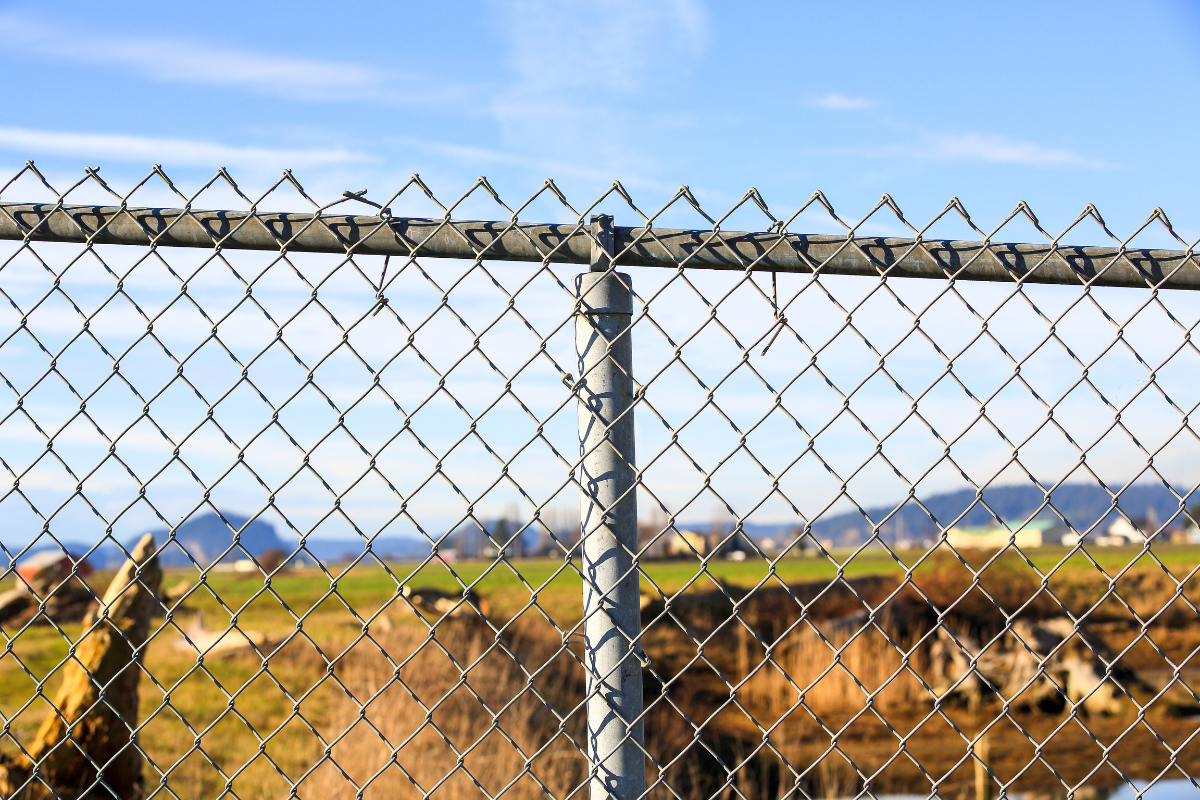
If you ask ten property managers why they picked chain link fencing, you will hear ten practical answers. It keeps dogs in and trespassers out. It moves fast from contract to completion. It stands up to weather and wear better than most expect, and when it gets damaged, repairs are straightforward. I have installed, repaired, and specified chain link for schools, distribution yards, water treatment plants, apartment communities, and a fair number of backyards that needed a dependable enclosure without drama or delay. The right chain link fence company does not simply stretch mesh between posts. It advises on gauge and galvanization, anticipates gate clearances, pulls permits, and leaves you with a fence that does its job quietly for years.
This guide shares the field knowledge that separates a dependable chain link fence contractor from the rest, and helps you map the best path for chain link fence installation, service, and long-term upkeep.
Why chain link still wins on tough, real-world criteria
A fence lives in the real world, not a brochure. It catches soccer balls, takes forklift bumps near loading docks, weathers storms, and endures sprinkler overspray. Chain link fencing succeeds because the system is simple and robust. By system, I mean posts, fabric, framework, fittings, tension wire or rails, and gates that all work together. When the pieces are specified correctly, the whole fence is forgiving and durable.
Resilience shows up at three levels. First, materials. A 9 gauge galvanized fabric with a 2 inch mesh, hung on schedule 40 galvanized pipe, outlasts a thin residential spec by a https://elliottpros144.huicopper.com/expert-advice-on-chain-link-fence-installation decade in most climates. Second, design details. Bottom tension wire helps keep small dogs in and wind-driven trash out. Third, maintenance. Replacing a damaged bay or rehanging a gate is serviceable without tearing out long runs. A chain link fence company that stocks the right fittings and understands local soil and wind conditions can avoid common failure points, like posts heaving in expansive clay or gates sagging on long spans.
Cost is the other honest driver. Chain link typically lands 20 to 50 percent below comparably secure panel systems, especially over long perimeters. That spread becomes decisive on projects measured in hundreds of linear feet. When a property has a perimeter to control, sightlines to maintain, and a budget to respect, chain link fencing makes sense.
What experienced crews look for before they set a post
Most callbacks trace back to what was missed in the first walk of the site. A thorough chain link fence contractor checks access, utilities, grading, and how people actually use the space. I remember a school boundary where the shortest route for kids cut across the planned fence line. We shifted two gates by 18 feet, and it eliminated the temptation to hop the fence for the next decade.
Subsurface surprises derail projects. Good practice is to mark utilities, confirm easements in writing, and probe for rock or fill before trenching. In older industrial sites we sometimes find buried slabs or unexpected rubble backfill. These conditions drive post depth decisions. Where frost depth reaches 36 inches, we set posts deeper and sometimes bell the base to resist heave. On windy hilltops, we tighten post spacing to 8 feet and use a heavier top rail to cut rattle and sway. None of those decisions show up in a generic spec sheet, but they make the difference between a fence that lasts and one that leans by the second winter.
Gate planning gets its own attention. Swing direction, ground clearance, and hardware choice matter as much as the width. A 12 foot double swing gate near truck traffic needs ground stops, heavy hinges, proper latch guards, and sometimes a center drop rod sleeve set in concrete, not just a drilled hole in asphalt. If you expect automation later, the gate frame and posts should be built to handle operators and safety edges from day one.
Materials that pay for themselves
Chain link fencing services often get commoditized, but the material choices set the lifespan. Start with fabric gauge and coating. For commercial and municipal work, 9 gauge galvanized fabric is the workhorse. In coastal zones or corrosive environments like wastewater plants, I spec aluminized or PVC-coated fabric over galvanized. The vinyl adds a layer of protection and a cleaner look, but the underlying galvanization needs to be robust or the cut ends will rust early.
Posts and rails are where budgets try to sneak in thin-wall tubing. For long-term performance, especially above 5 feet tall, galvanized schedule 40 pipe for terminal posts and at least SS20 for line posts is a smart baseline. A top rail reduces panel bowing and gives the fence a finished line, while bottom rails or tension wire keep the fabric tight against animal pressure. Barbed wire outriggers add security where code allows, but they are only as reliable as the terminal post foundations and bracing that support the extra load.
Fittings and hardware sound like small parts, yet they are the first things to fail during wind events if they are under spec. Heavy tension bands, proper brace bands on terminal posts, galvanized carriage bolts with neoprene washers for privacy slats, and malleable steel caps add years to a fence’s service life. On gates, resist the urge to save on hinges. A pair of industrial strap hinges or adjustable ball-bearing hinges will hold alignment and spare you from the common sag that kills latches and operators.
Privacy, security, and aesthetics without false promises
Not every project wants the open look of bare mesh. Privacy slats, wind screens, and composite inserts change both function and loads. Slats offer roughly 70 to 90 percent visual blockage depending on style. They also catch wind like a sail. That means heavier posts, deeper footings, and shorter spans are mandatory. I have seen fences topple within a season when a homeowner added slats after installation without reinforcing the framework.
For high-security sites, chain link can deliver real deterrence with the right details: 8 or 10 foot heights, anti-climb mesh (smaller than 2 inch), three strands of barbed wire or razor wire where legal, bottom rails to prevent prying, and secure, welded gate frames. Pair that with access control and you get a clean perimeter that still allows clear sightlines for cameras and patrols. Claims of absolute security are never honest, but properly configured chain link makes entry noisy, slow, and obvious. That buys response time, which is the true goal.
On residential projects, black vinyl-coated chain link balances function with curb appeal. The black recedes visually, especially behind landscaping. I have replaced many wood fences with black chain link where homeowners were tired of rot and paint cycles. With a 6 foot height, a bottom tension wire, and well-set gates, it checks all the boxes for pets, kids, and property lines, and it does not advertise itself from the street.
How a professional installation unfolds
A seasoned chain link fence company runs a job like a well-planned sequence, not a scramble. After layout and utility marking, we set terminal posts first. Those anchor the fence line and define tension. For concrete footings, we dig clean holes, square to grade, and bell the bottoms where soils are loose. Terminal posts are plumbed with a level and braced until the set. Cure time matters. If you hang fabric on wet footings, you risk lean as the concrete hydrates and shrinks.
Line posts come next with consistent spacing, usually 8 to 10 feet depending on height and loading. Then we install top rails, braces, and tension bands on terminal posts. The fabric roll is attached at one end with tension bars and bands, then stretched with a come-along and stretcher bar. The trick is even tension without over-pulling the mesh. Too tight, and thermal cycles and wind will chew up the ties and fittings. Too loose, and the fence waves and creases.
Ties secure the fabric to line posts and top rail. The count matters. Skipping ties to save time shows up as sag lines in a year. Bottom tension wire is clipped to each line post, snug to the fabric. Gates are hung last, adjusted for plumb and level, and then hardware is set so latches engage without force. On longer runs we check for grade dips and add fill or adjust clearances so critters cannot sneak under.
Cleanup is part of the job. Cutting the tails of bolts flush, removing concrete spoils, and raking disturbed soil make the fence feel finished. A quick walk with the owner to test gates and confirm access points catches small items while the crew is still on site.
Chain link fence repair that fixes the problem, not just the symptom
Repairs come in patterns. Vehicle impact, mower hits at corners, rust at the bottom band in irrigation zones, and gate sag are the common calls. A shop that knows chain link fence repair will ask for photos from two or three angles before dispatch. That tells us whether to bring a post puller, new concrete, or just fabric and ties.
For bent line posts, we cut or unbolt the top rail, release the fabric ties, and pull the post cleanly, concrete and all. Trying to straighten a kinked post rarely holds. Terminal posts that lean usually point to under-sized footings or soft soils. Replacing with a deeper, wider base and proper bracing to the first line post cures the issue. Where rust has crept up from the bottom, we often replace a bay of fabric rather than trying to patch just the lowest courses. It looks better and takes about the same time once you factor in tension and tie work.
Gates deserve a blunt truth. If a gate frame is undersized or warped, you can fiddle with hinge adjustments forever and it will still drag. We replace the frame with one that has corner gussets and use proper hinges with through-bolts. For automated gates, service should include checking chain tension on slide operators, ensuring limit switches hold true, and verifying safety photo eyes and edges. Fine-tuning these systems prevents sudden failures that lock a site down at the worst moment.
Codes, permits, and neighbors
Every jurisdiction has its quirks. Front yard limits, corner visibility triangles, pool barrier rules, and barbed wire restrictions differ by city. A competent chain link fence contractor will confirm those in writing before deposit. For pools, the hardware details matter as much as the fence height: self-closing, self-latching gates with latches at the correct height, and clear gaps under the fence that meet code. For commercial lots near public sidewalks, we watch setbacks and check for required sightlines at driveways. Those rules protect pedestrians and keep your fence from becoming an accidental billboard for enforcement notices.
Neighbors matter, too. On shared property lines, a simple sketch and written acknowledgment stop disputes later. In multifamily communities, we schedule noisy work like post driving or core drilling during reasonable hours. Getting these soft tactics right is part of the service a good chain link fence company provides, even if it is not spelled out in the contract.
Timelines and what really controls them
Most residential projects under 200 linear feet install in a day or two, not counting concrete cure time. Commercial perimeters scale with crew size and site complexity. What actually controls timeline is lead time for gates and any special finishes. Custom cantilever gates can take two to four weeks to fabricate, longer if powder coating is involved. Permits can add a week or two in cities that require plan review. Weather rarely stops work unless footing excavation turns into a mud pit or freezing temperatures prevent concrete from curing properly. On cold days we use warm water, non-chloride accelerators rated for galvanized contact, and insulating blankets around larger footings.
Communication keeps things moving. If irrigation lines run along the fence line, we want them marked and isolated before we cut. If a shipping dock will be blocked on install day, we stage posts and fabric overnight so the crew can leapfrog around traffic without wasted hours.
Budget ranges that pass the smell test
Pricing varies with region, access, and material choices, but there are ranges that generally hold. For standard 4 to 6 foot galvanized chain link fencing with top rail, you can expect a professional install to land roughly in the mid-teens to low-thirties per linear foot on straightforward residential sites. Heavier commercial specs, taller heights, privacy slats, or security toppings move that into the higher ranges, sometimes doubling on complex jobs with many gates and challenging soils. If a quote seems far below those baselines, look closely at post gauges, footing size, tie counts, and gate hardware. The lowest bid often hides thin-wall tubing or minimal foundation work, which becomes a repair bill later.
A good estimator breaks out gates separately. Gates are the brain of a fence, and their cost reflects it. A simple 4 foot pedestrian gate might add a few hundred dollars, while a 20 foot cantilever gate with quality rollers and track can run into the thousands, not including automation.
Maintenance that respects your time
Chain link fencing does not ask for much, and that is one of the reasons property owners love it. Still, a quick seasonal check prevents small issues from becoming service calls. Walk the fence line after big winds. Look for loose ties, bowed top rail, and any lean at terminal posts. Keep vegetation trimmed away, particularly vines that load the fabric and trap moisture. Where sprinklers hit the fence daily, a periodic rinse reduces mineral buildup that can abrade coatings. For vinyl-coated fence, check for nicks at corners and gates; spot-seal cuts with a matching coating to slow corrosion at exposed wire.
Gates need a dab of lubricant at hinge points a couple times a year and an occasional adjustment to latches as temperature swings move materials. On automated systems, test safety devices monthly. That simple routine extends operator life and keeps your insurance carrier happy.
When chain link is not the answer
No single material fits every job. In high-end front yards where the fence is a feature, ornamental steel or aluminum may belong. On sites demanding acoustic dampening, solid panels work better. In areas with strict architectural review boards, chain link fencing can face restrictions even when it solves the practical problem. We have blended solutions in those cases, using ornamental frontage with chain link down the sides and rear where function dominates. That hybrid approach respects both budget and aesthetics.
Where heavy pedestrian crowds press against the fence, like queue lines for events, weld mesh panels or railing systems offer higher crush strength and fewer snag points. For sports fields, ball stop nets above chain link handle high arcs while chain link manages low-line hits. That layered design reflects purpose rather than habit.
Choosing the right chain link fence company
The market is crowded, and pricing alone does not sort competence. You want a partner who asks sharp questions, respects schedules, and stands behind their work. The signals are easy to spot once you know them.
- They propose specifications that match your environment and use, not just a blanket template. Ask why they chose a particular gauge, post spacing, and footing size. They account for wind load changes if you plan to add privacy slats or screens. If they do not mention increased loads, keep looking. They detail gate construction and hardware. A vague line for “one gate” is not enough. The frame, hinges, latch, and any automation prep should be spelled out. They explain how they handle utilities, permits, and inspections in your jurisdiction. Silence here often means delays later. They provide references for similar projects, not just any fence job. A warehouse perimeter differs from a pool enclosure, and their portfolio should show both if they claim both.
These markers matter more than a small difference in price. Fences are long-lived assets. The goal is to have a crew you can call five years from now who still knows exactly what they installed and can service it without guesswork.
A few job stories that shaped our approach
On a logistics yard near a river, we replaced a collapsing fence that leaned inward every spring. The soil was saturated for weeks each year, and the original installer had set shallow footings with little bell. We went to 48 inch depths with 12 inch bells, added weep holes above grade where water tended to pool, and used a heavier terminal post schedule at corners. The fence has stood plumb through four flood seasons. It is not magic, just correct engineering for the site.
At a middle school baseball field, repeated ball strikes bowed the top rail and stretched the fabric behind home plate. The fix was simple and durable. We replaced the top rail with a heavier wall, tightened post spacing to 7 feet in the backstop zone, and added a mid-rail to distribute impact loads. That section takes a beating every season and stays taut.
For a homeowners association, we converted an aging, peeling wood perimeter to black vinyl-coated chain link with a mix of 6 and 8 foot heights along grade changes. We worked gate-by-gate to keep pedestrian flow and trash service intact, and we coordinated with landscapers who used the new fence as a clean backdrop for plantings. The surprise for the board was the noise reduction. While chain link is not a sound wall, eliminating loose wood pickets and the rattling hardware removed the annoying clatter on windy days.
What happens after the fence goes in
The best chain link fence companies think beyond the last bolt. We record material specs, footing sizes, and gate locations on an as-built drawing and store it with photos. That way, when a delivery truck crumples a section two years later, we can fabricate the exact gate frame or pull the right gauge fabric without re-measuring. We also tag automated gates with service stickers that include operator model and safety device notes. Maintenance becomes predictable, not a scavenger hunt.
Warranty policies make expectations clear. Reasonable coverage includes workmanship for at least a year, sometimes longer for commercial clients, and manufacturer warranties on coatings and operators. No warranty covers vehicle impacts or acts of vandalism, but a responsive service team treats those calls as priorities. It is not uncommon for us to have a temporary panel on a damaged opening the same day, with full repairs following as soon as concrete cures or a fabrication slot opens.
Final thoughts from the field
Chain link has earned its reputation the hard way, by doing unspectacular work day after day. When you hire a capable chain link fence company, you get more than mesh and posts. You get judgment earned on weathered sites and crowded job calendars, an eye for details that keep gates swinging true, and a crew that respects your property and your timeline. Chain link fencing services that combine sound materials, thoughtful layout, and clean execution deliver a fence that you do not have to think about. And that is the highest compliment any fence can receive.
Whether you need a quick chain link fence repair after a wayward delivery truck, a new perimeter for a growing facility, or a backyard enclosure that keeps a determined hound honest, partner with a chain link fence contractor who asks good questions and shows their work. The right choices on gauge, coating, posts, and gates do not add much to the quote, but they add years to the life of your fence. When it is done well, you will forget it is there, which is exactly the point.
Southern Prestige
Address: 120 Mardi Gras Rd, Carencro, LA 70520
Phone: (337) 322-4261
Website: https://www.southernprestigefence.com/